Page 8 of 17
Posted: Fri Jan 05, 2007 3:01 pm
by Graeme Robson
Lovely new findigs Emma!
WoOt!!

Posted: Fri Jan 05, 2007 3:26 pm
by Emma Turner
Thank you.

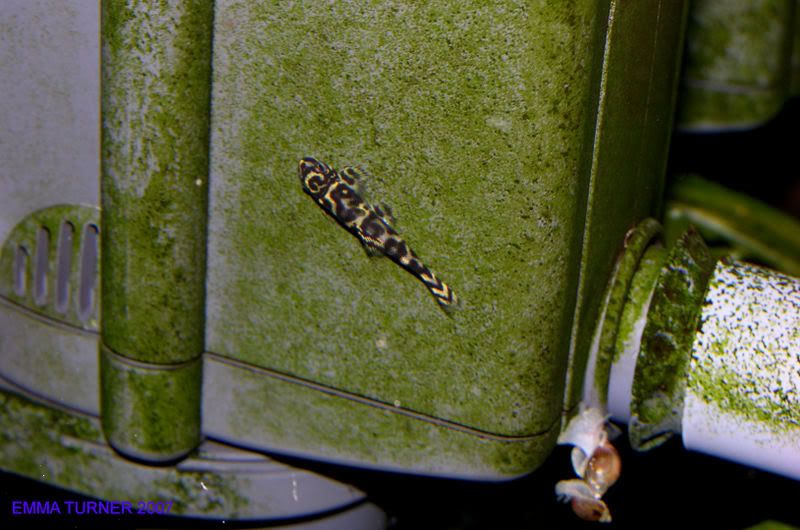
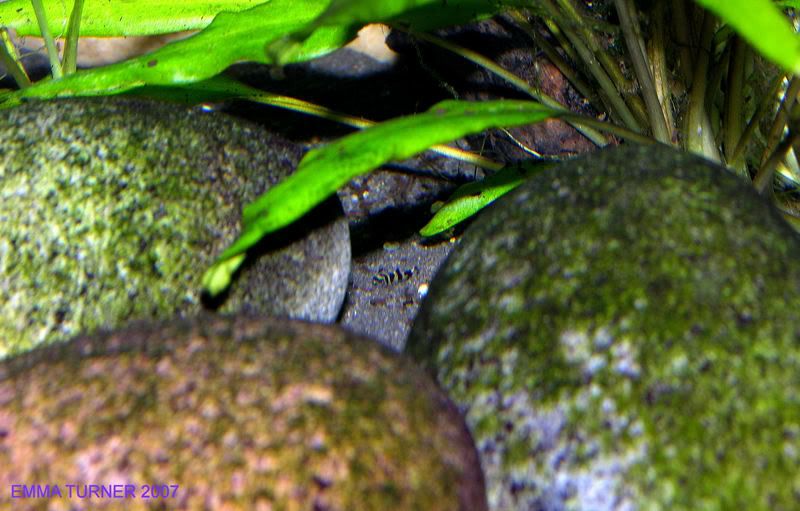
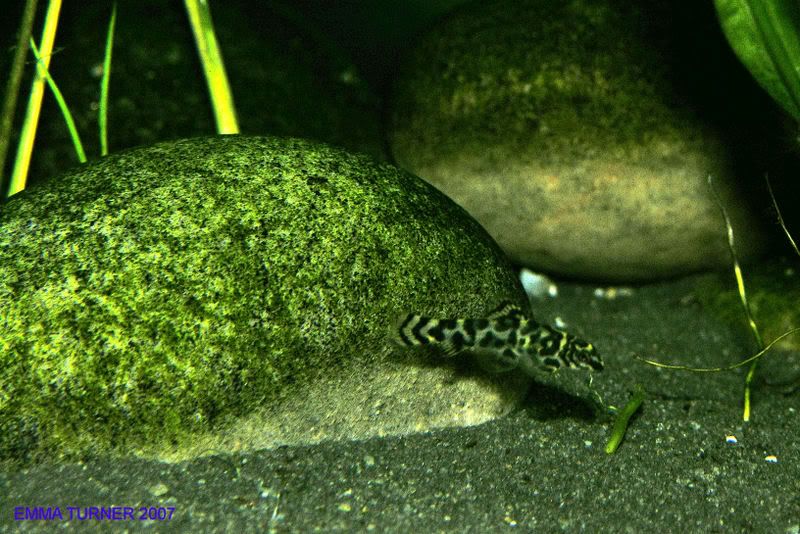
Here's a quick pic of the little one (2nd spawning) from today:
Jim - I think I'll be making time to check the filter over the weekend!

Emma
Posted: Mon Jan 08, 2007 4:05 pm
by Emma Turner
Posted: Mon Jan 08, 2007 4:13 pm
by Graeme Robson
Superb!
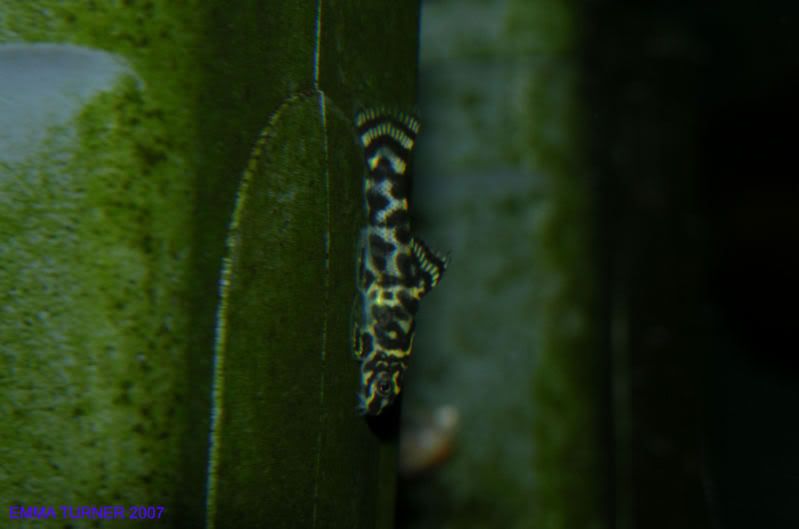
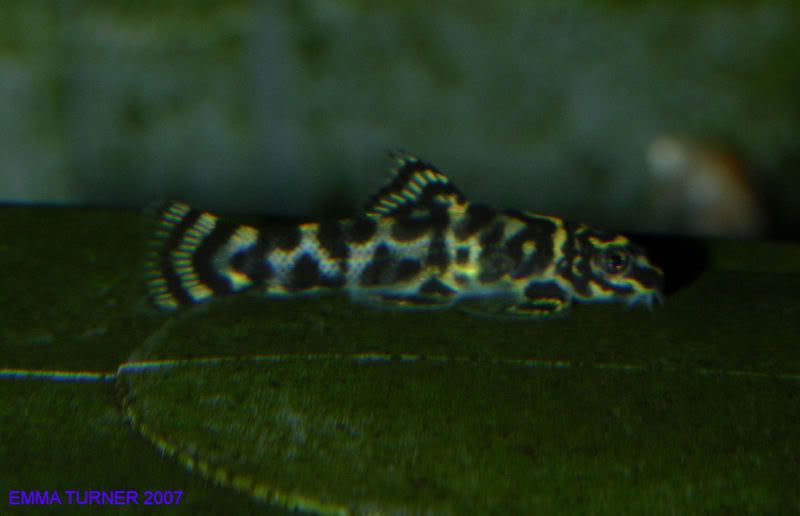
As i predicted! Larger
Sewellia species will generally grow in there own rate. Not to mention the
give a way black body markings that will
grow in time, leaving beautiful gold
spots.

Amazing pictures Emma.
Posted: Mon Jan 08, 2007 4:16 pm
by mamaschild
AWWWWWW, what a sweet little thing

:) I love the markings on it's nose
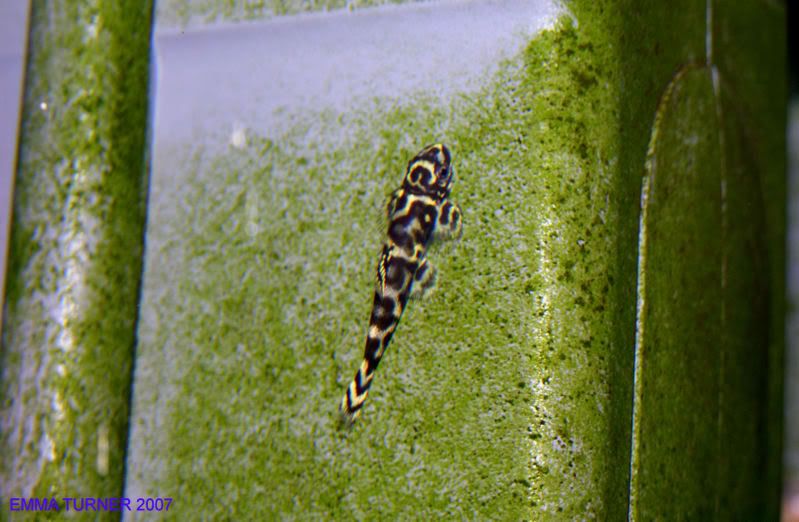
Looks like the fins are growing closer together. Starting to look more Hilly

Posted: Mon Jan 08, 2007 5:12 pm
by Mad Duff
Lovely
Its amazing how much its pectoral fins have grown in a couple of weeks
Posted: Mon Jan 08, 2007 5:16 pm
by Jim Powers
Now its starting to look more like your other Sewellia fry.
Posted: Mon Jan 08, 2007 6:09 pm
by Martin Thoene
Finally, it joins the Sew-ing club!
I think watching the markings develop on this is going to be even more fascinating than the S. lineolata.
So Em.....is your breeding article now going to be a double-whammy?
Martin.
Posted: Mon Jan 08, 2007 7:41 pm
by Emma Turner
Thanks everyone!
I'm going to start putting together some composite pics charting the development of both these
Sewellia species for use in my forthcoming Tropical World article, and which can also be used on LOL. I'm actually really looking forward to putting the pics together as I'm sure the change in body shape and markings over time is going to be quite phenominal.
I just hope that now this little one has become a 'novice cling-on', that it still provides me with a few good photo opportunities. It's still 100% braver than the adults, who rarely venture out in the daytime, especially with the sight of me peering in at them!

The even-littler one (if that's a word?) is still safe and displaying his 4 solid black vertical bars.
He's staying over the RHS of the tank quite near to where the
Schistura balteata constructed their burrow under the cobbles. Hopefully he'll continue to hide when necessary.
Didn't get a chance to look in the filter over the weekend, so will aim to do this over the next few days.
Emma
Posted: Mon Jan 08, 2007 11:55 pm
by Mike Ophir
good luck emma!
Mike
Posted: Tue Jan 09, 2007 7:41 am
by wasserscheu
Emma Turner wrote:
... the change in body shape and markings over time is going to be quite phenominal...
Emma
... like your fascinating documentation.
Many thanks from Germany
Wolfram
Posted: Tue Jan 09, 2007 8:07 am
by helen nightingale
Good news Emma
Tom got me a subscription for Christmas, so i am looking forward to reading your article. it should be fascinating to compare the pictures. it sounds like your stripey baby knows well who to hide from and who not to
Posted: Thu Jan 11, 2007 4:11 pm
by Emma Turner
Update 11-01-2007:
I checked the filter today whilst doing a water change and other maintenance, but sadly no babies to report this time.

Anyway, I managed to get a few pics later on, which I hope you'll enjoy looking through.
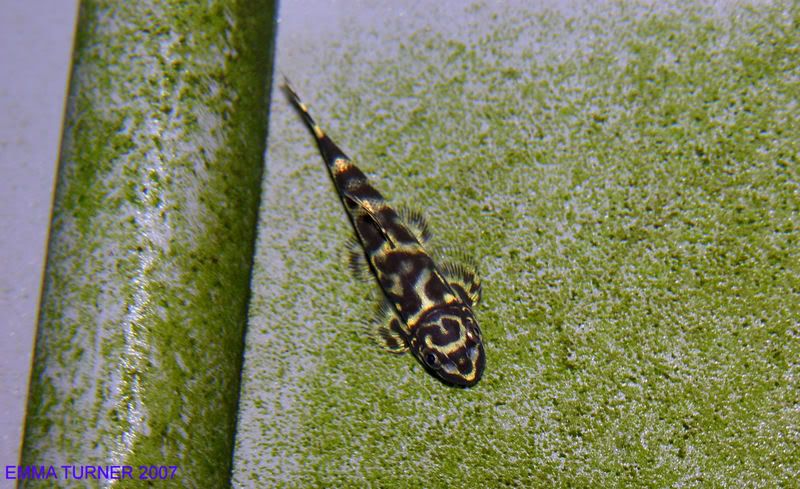
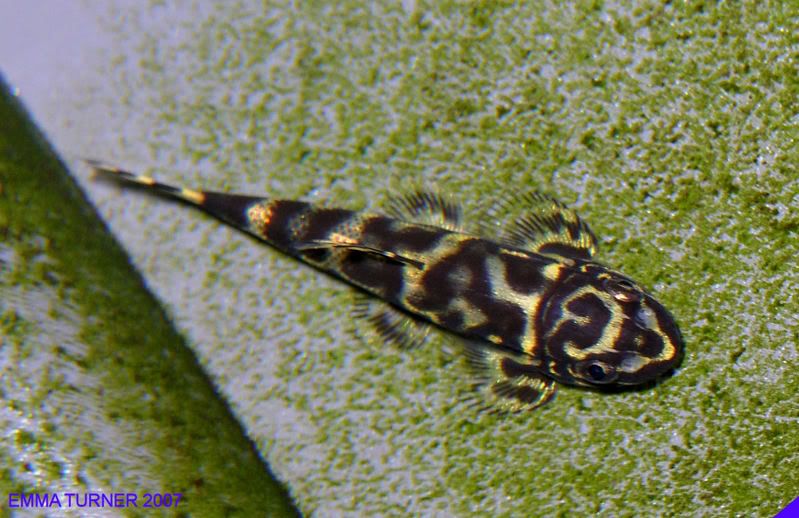
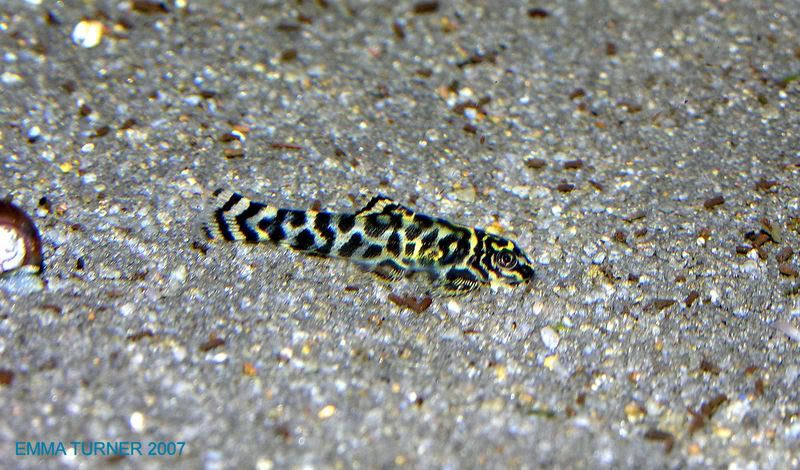
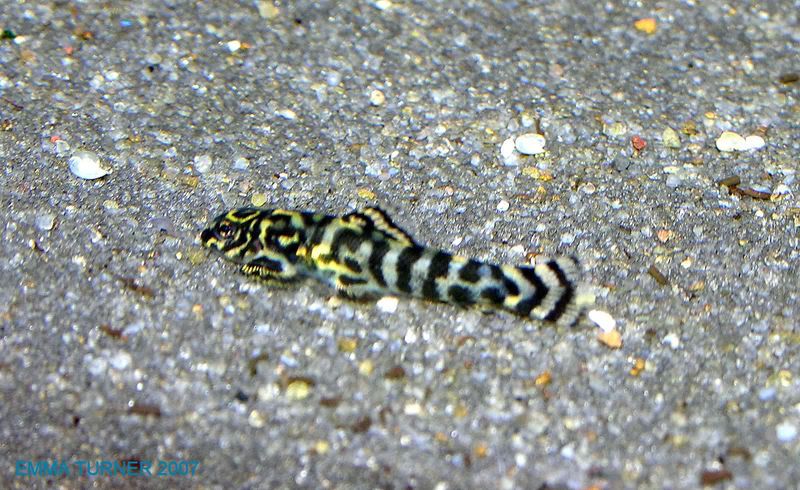
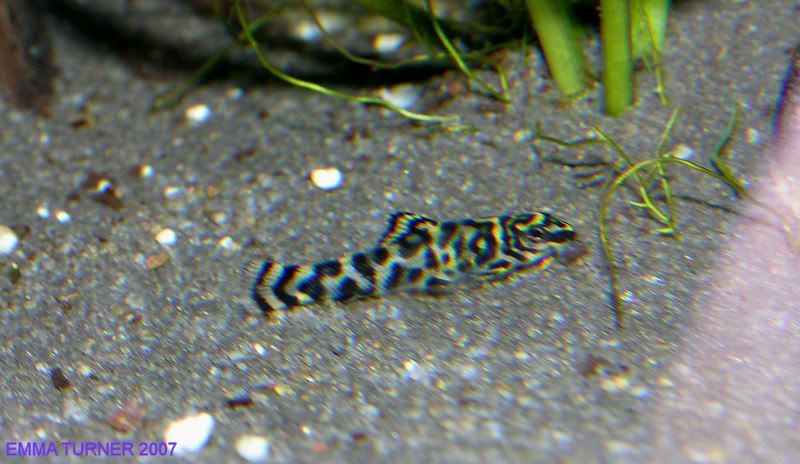
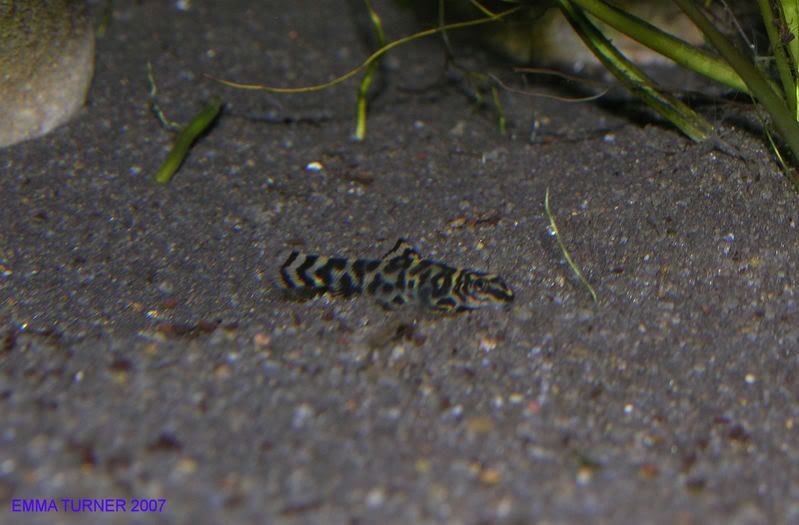
Here's the bigger of the two
Sewellia sp. 'spotted' fry. As you can see the pattern is really evolving now:
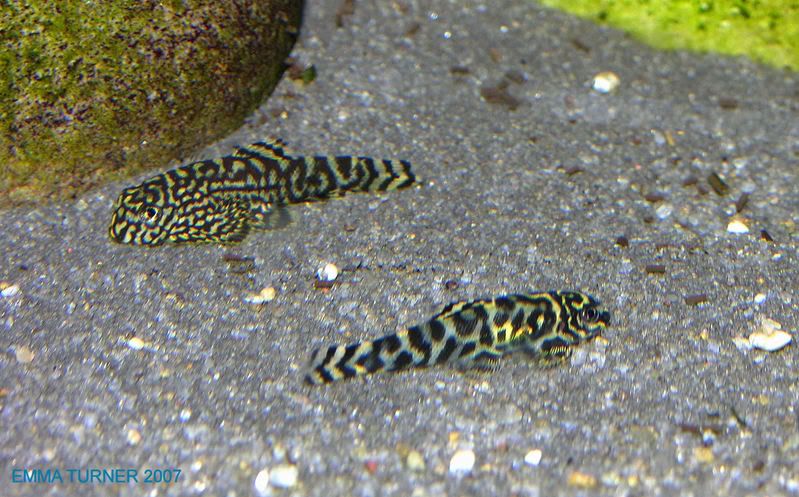
And with a similarly sized
Sewellia lineolata fry (top):
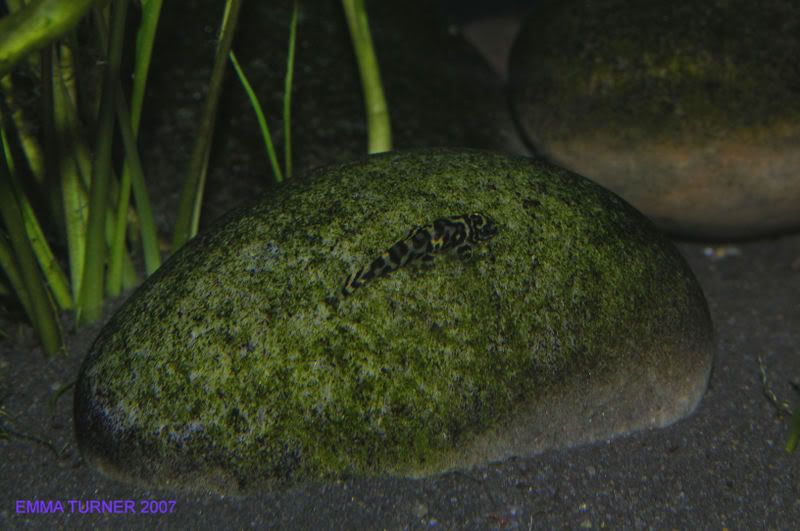
This fish is still spending the vast majority of it's time on the substrate. However, when I started siphoning some of the muck off the sand earlier, it instinctively seemed to know to move itself up onto a vertical piece of bogwood out of the way and hung there until I was finished!
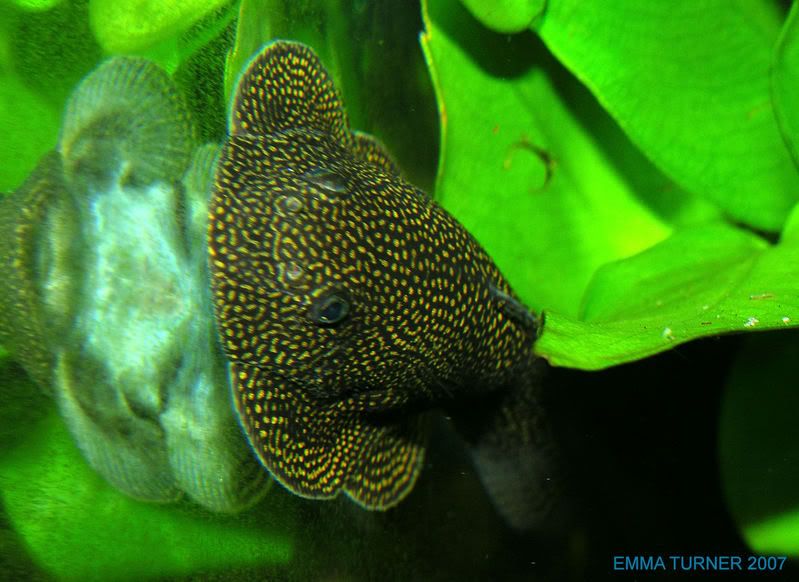
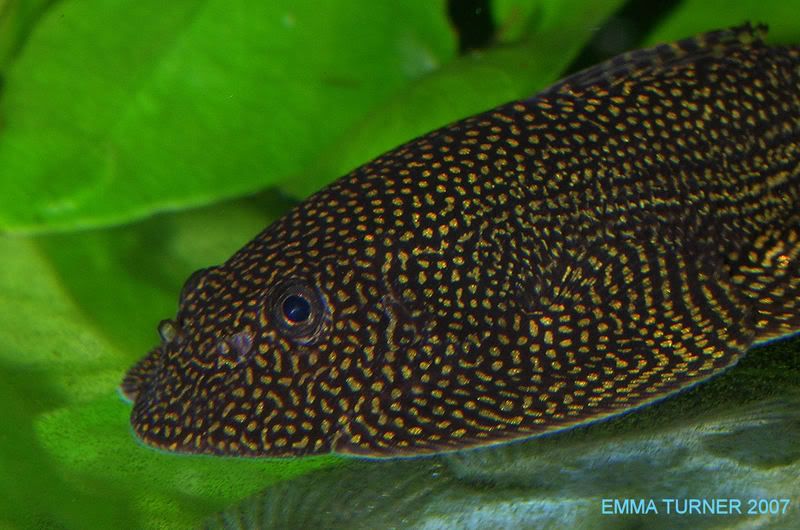
Later on, I got a rare opportunity to photograph one of the Spotty adults!....
'Wide load coming through!'
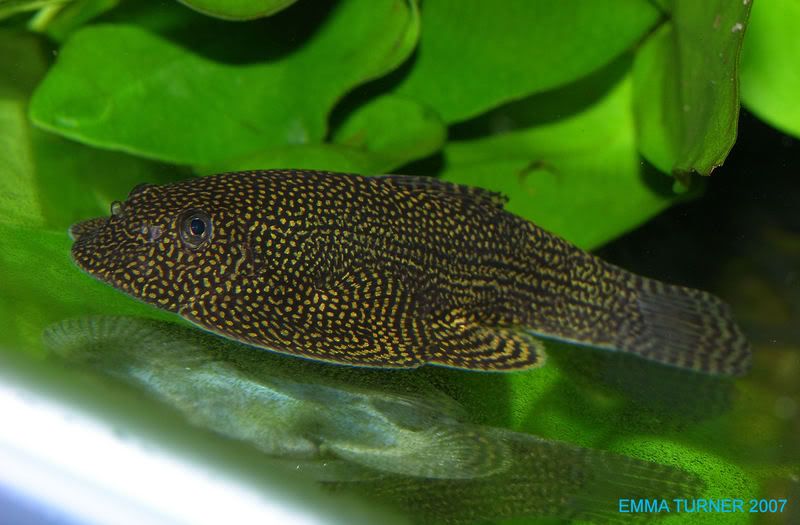
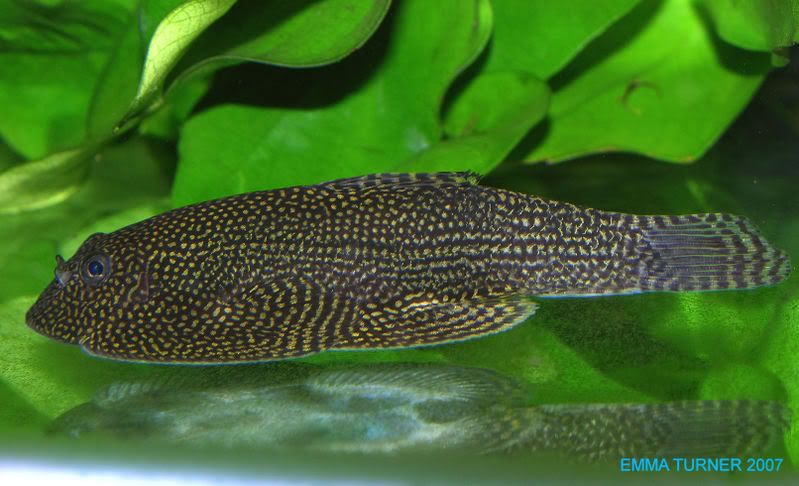
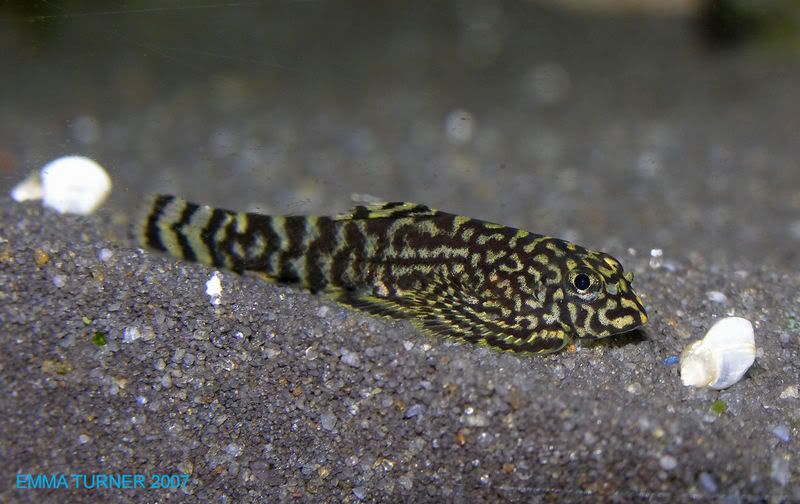
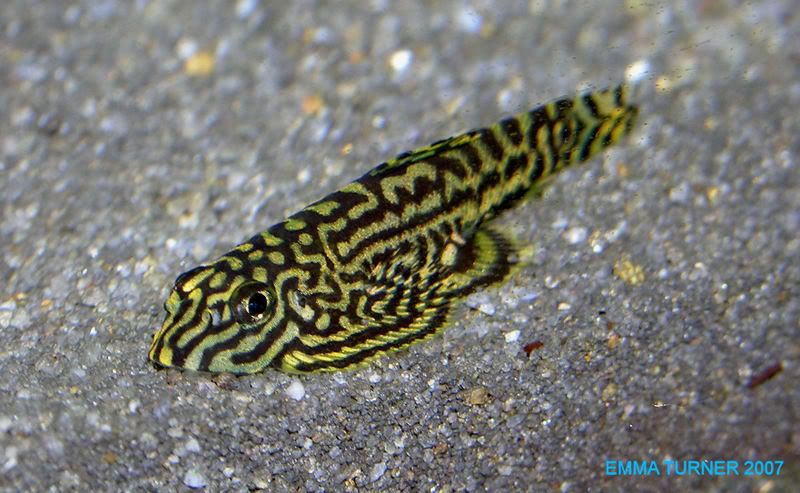
I thought I'd also take this opportunity to share a few pics of my tank-bred sub-adult
Sewellia lineolata:
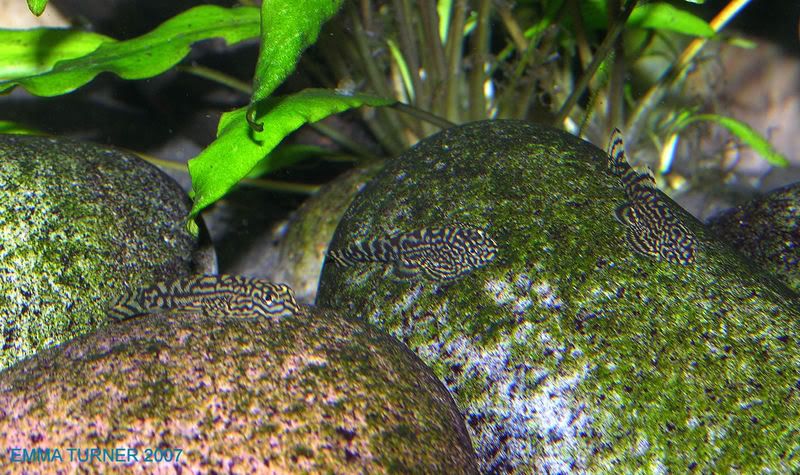
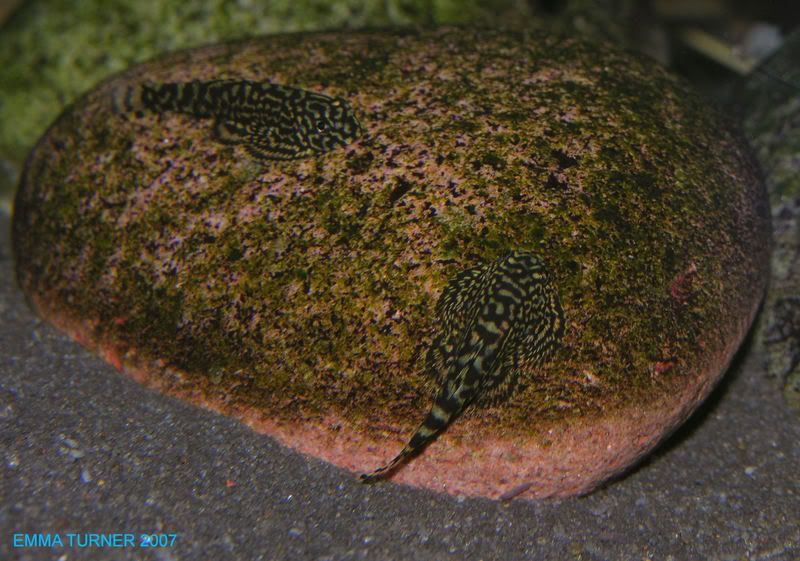
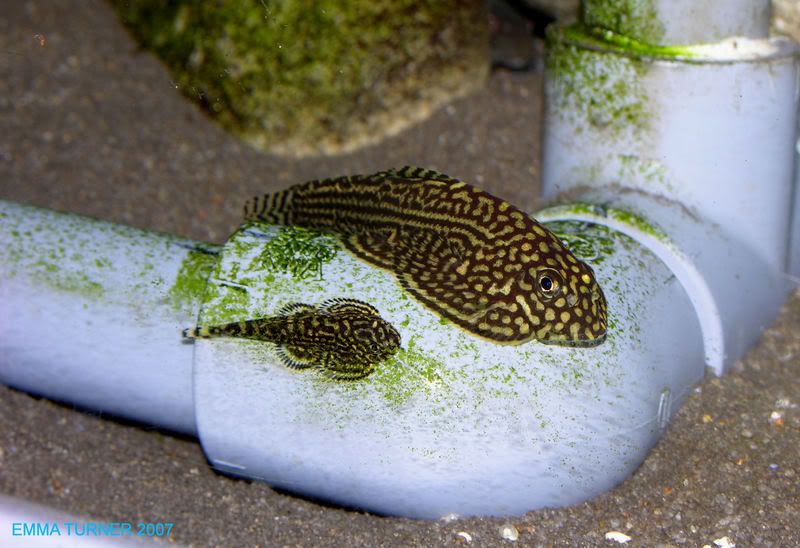
And here's a nice shot of one of the youngsters with 'mum' on an exposed area of the River-Tank manifold (exposed by the
Schistura balteata digging their pit nearby):
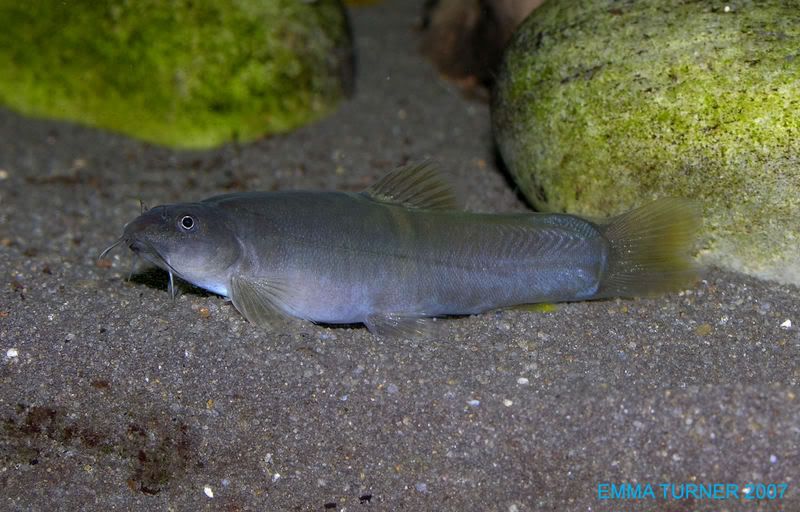
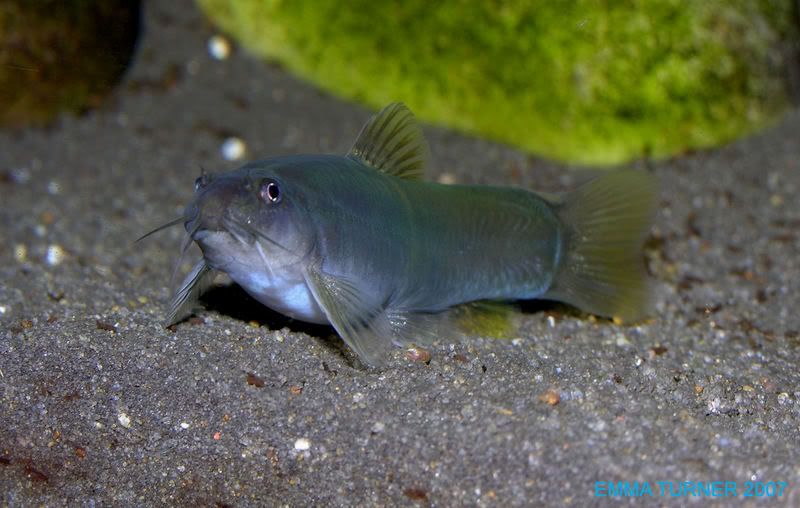
And talk of the devil! I was fortunate enough to be sat in front of the tank with the camera at the ready when one of the aforementioned
Schisturas ventured out (another rare occurence). As you can see, this fish is rather fat, which is probably due to the amount of
Sewellia eggs it no doubt consumes. It's partner in crime (who didn't venture out on this occasion) is of the same proportions!:
Emma
Posted: Thu Jan 11, 2007 4:39 pm
by Mad Duff
Brilliant pics as usual Emma, its amazing how much the Spotty fry is changing, it will be nice to see a set of pictures showing its development
And thank you for helping me make my mind up, after them photos I am going for the
Sewellia Lineolata for my first Hillies
Posted: Thu Jan 11, 2007 5:14 pm
by Graeme Robson
Oh yes!! Stunning pictures, Emma.
I think a few of these should be moved to the main site.
Drool..........
 .......