Posted: Wed Oct 24, 2007 1:33 pm
Re update on the „striata trouble“, I forgot to mention, that I skipped quarantine, as I added a lot of fish. I turned my new setup into a q-tank, so to say. I´ve almost my entire “staff” for the big planned tank by now (way to go, eyh  first the fish then the tank, I know…) but don´t want put the risk to the bigger tank. I´ve made the experience, a tank with altreday a good starter culture, cycles faster, when some efficient amount of food for bacteria gets supplied –. I´m getting good in excuses… hehe…
So far I´ve lost 2 old kuhli and one new one (added 10 Kuhli), lost 4 striata (added 11), lost 4 Otocynclus (old ones are still here, loss was amongst the new ones). I´ve also lost one old Sewellia – but short before the new setup (before Striatas came in) –absolutely surprising, no warnings, as if it were killed by someone, I added a new young (at least small) one.
Oto´s are a thing for them self and the old kuhli most likely were not used to the bacteria (or whatever) the new ones brought with them from the wilderness… tap-waterfish may loose some of their immune-system due to not enough stimulation – maybe…
I ended up not putting in the medication, which I had prepared. I called the local vetenarian and a friend of mine, working in an internationial medication company – studied Biology… it was, and actually still is a difficult descission for me… I may try an appointment at University in Munich to discuss this… I may still medicate – not sure yet. The remaining Striatas are stabilizing and gaining a bit weight, some of thenm try – still a bit shy– but trying the powerhead-current. Raphael had built up a slime coat but seems better now, slime´s gone again. I´m still not through yet – still very nerviously checking every moment I can… it was a stomach decision, rationally I did not have enough data, but I did put a lot of thought into it… we´ll see…
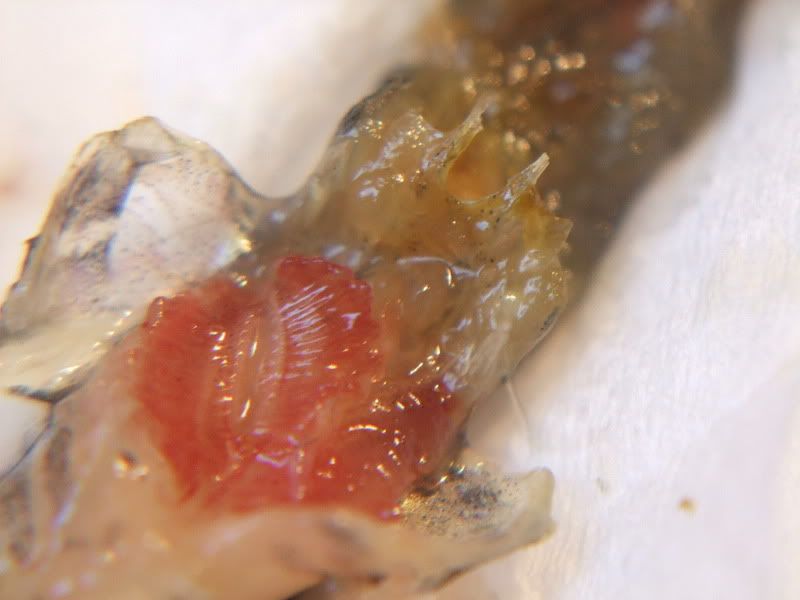
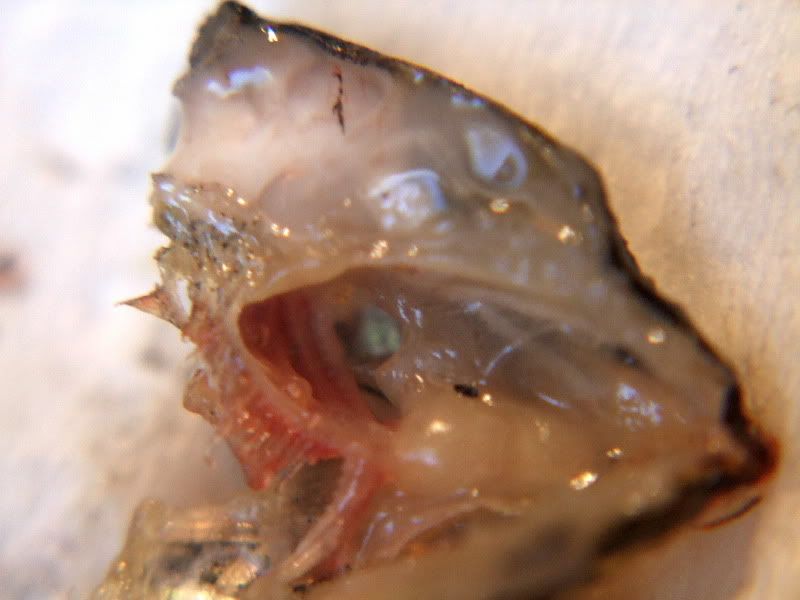
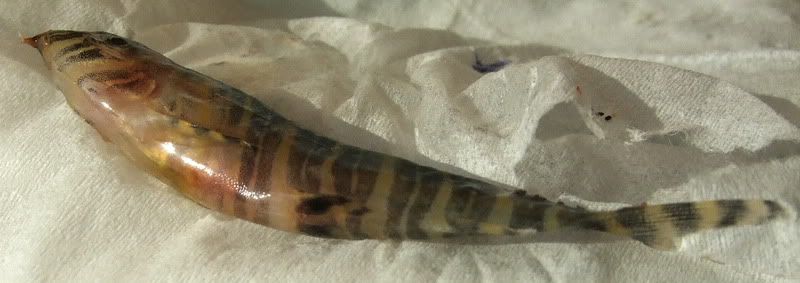
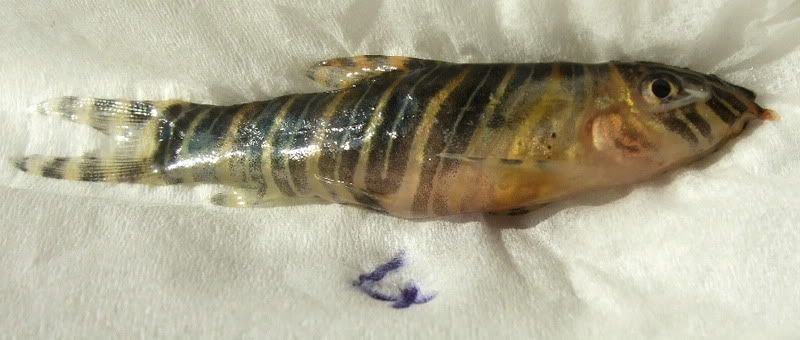
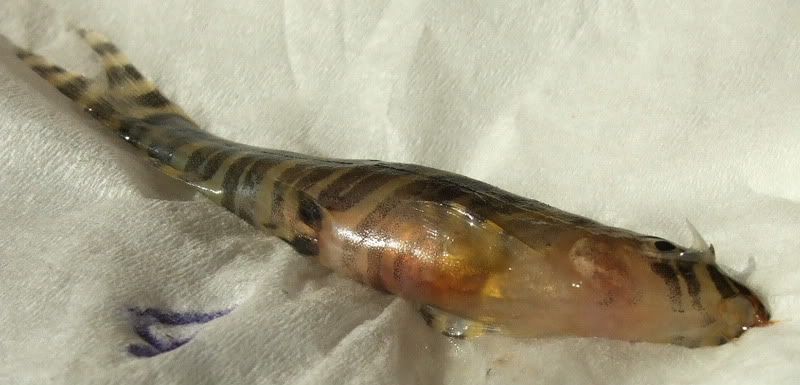
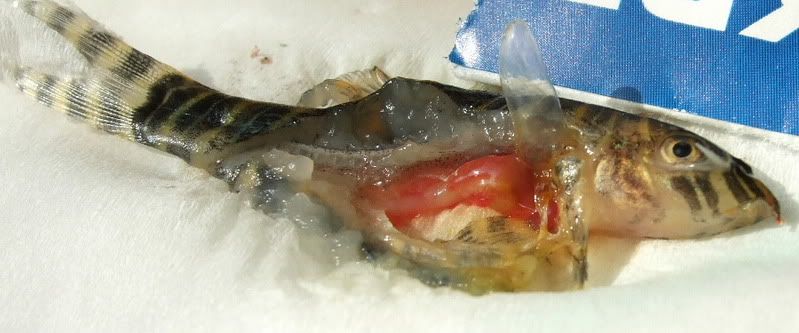
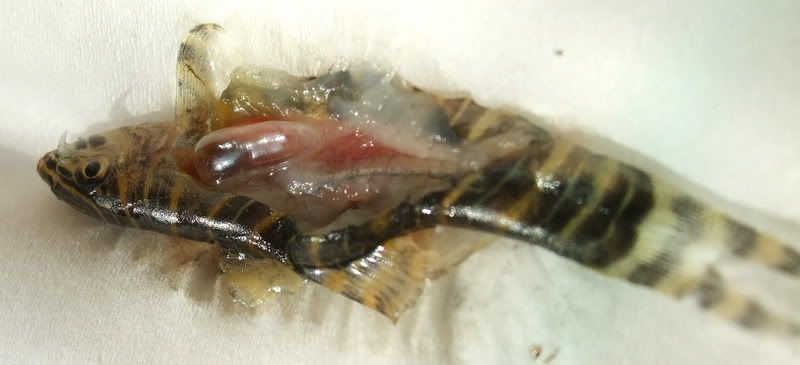
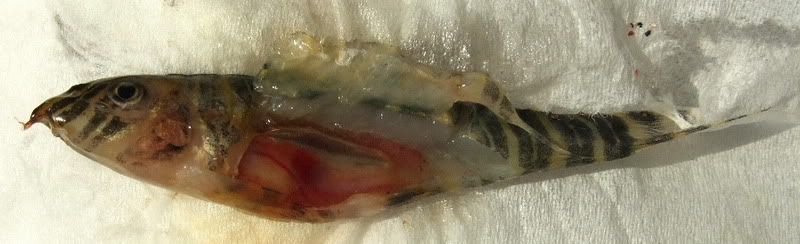
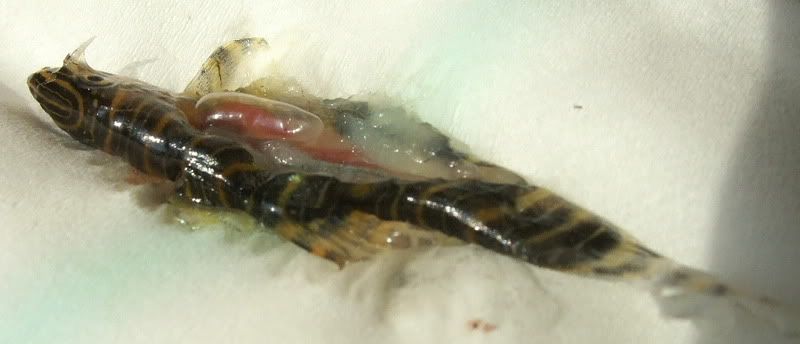
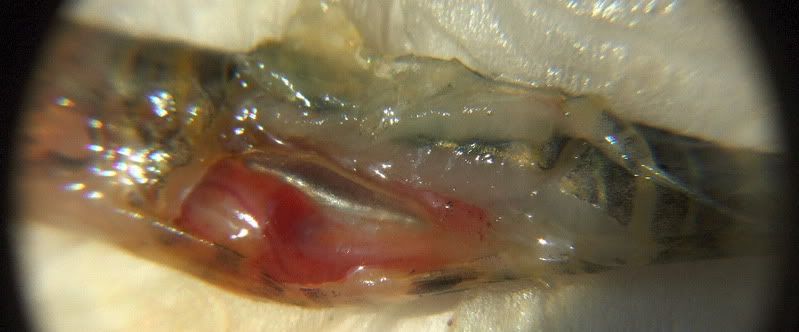
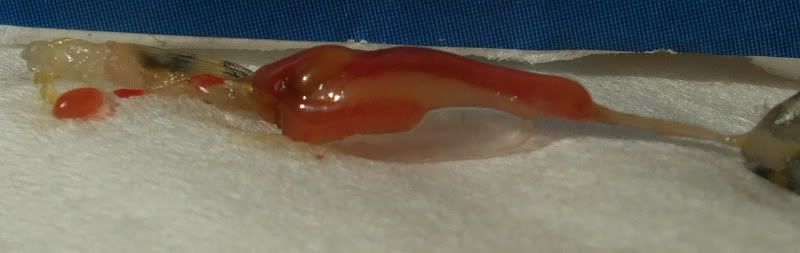
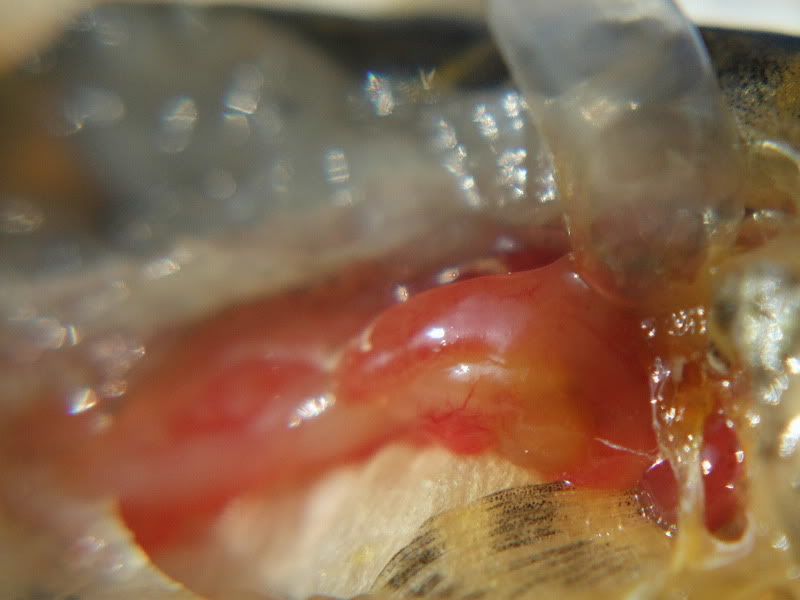
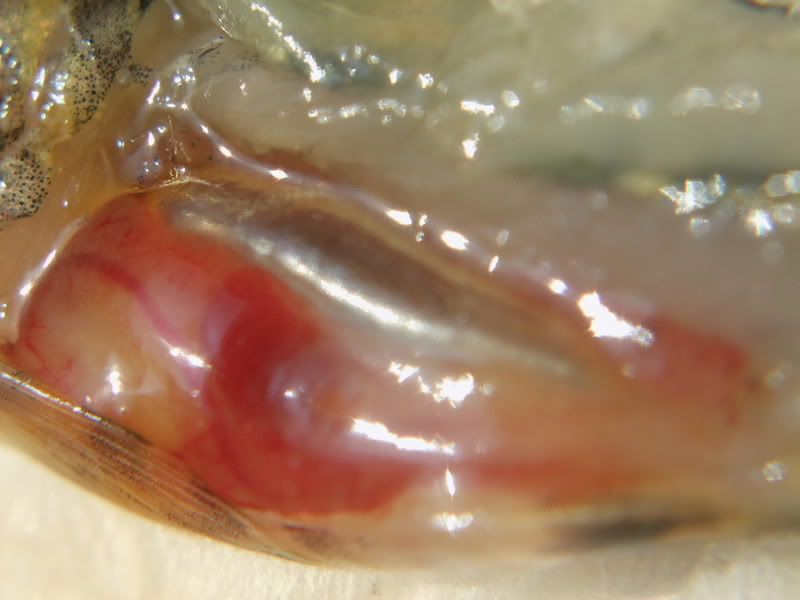
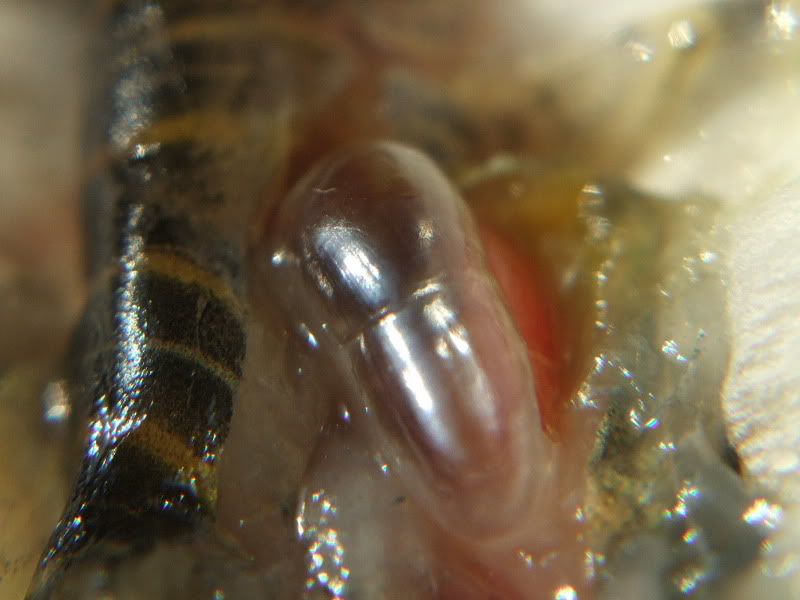
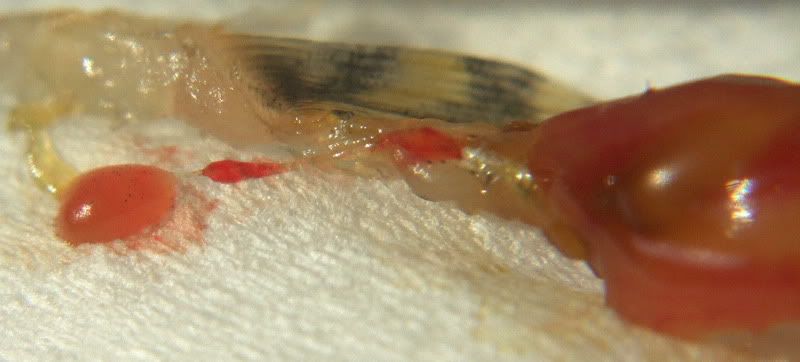
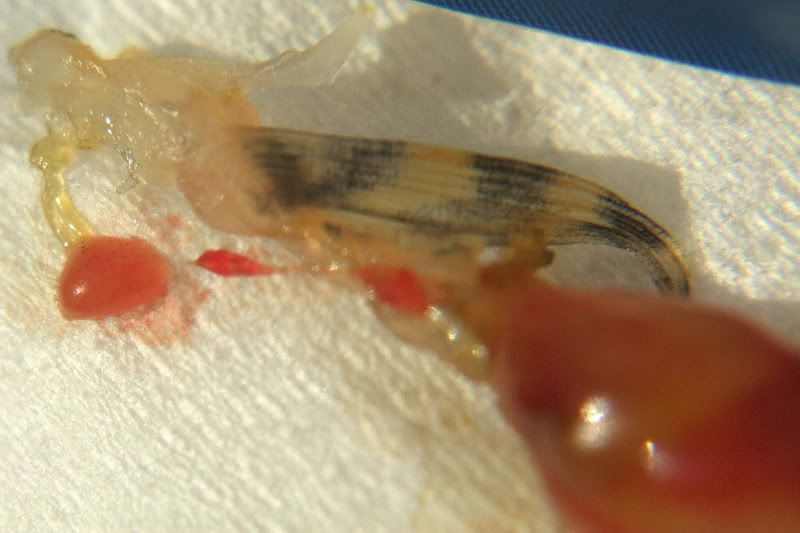
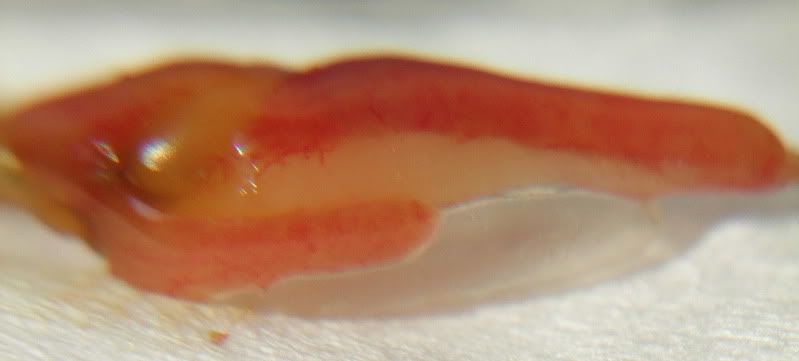
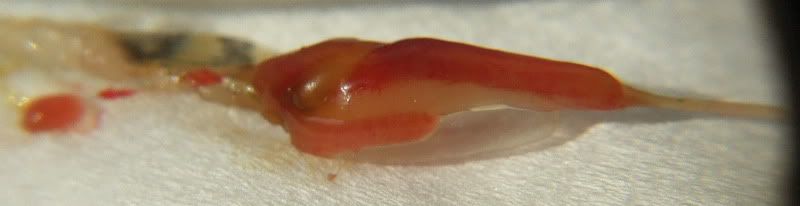
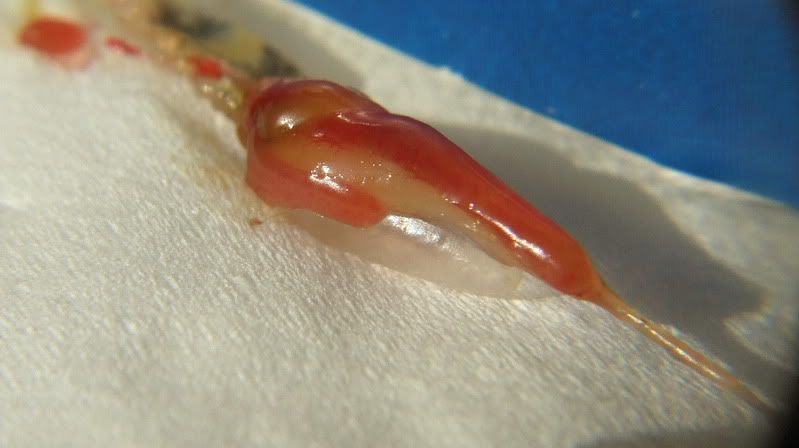
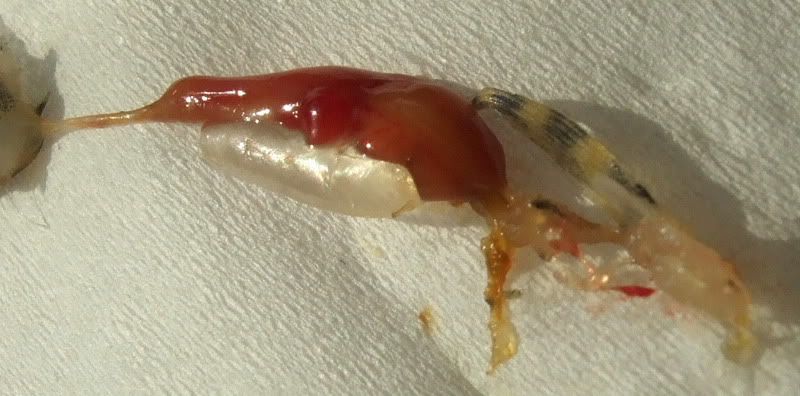
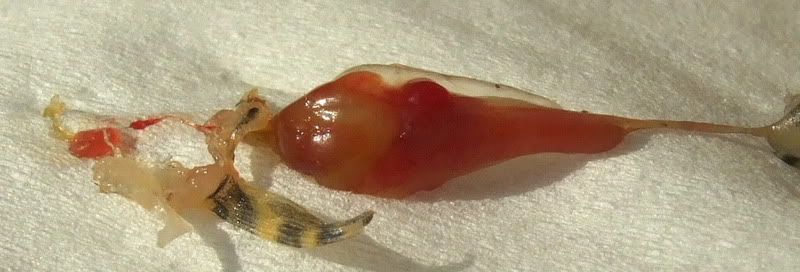
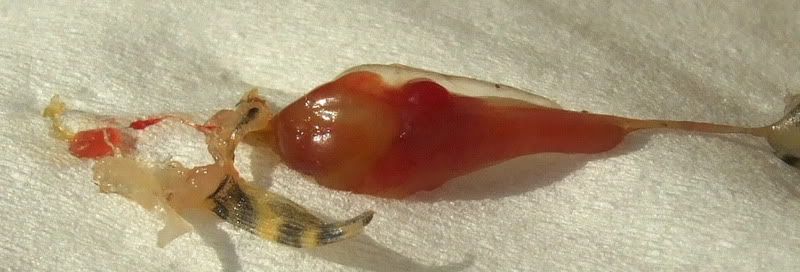
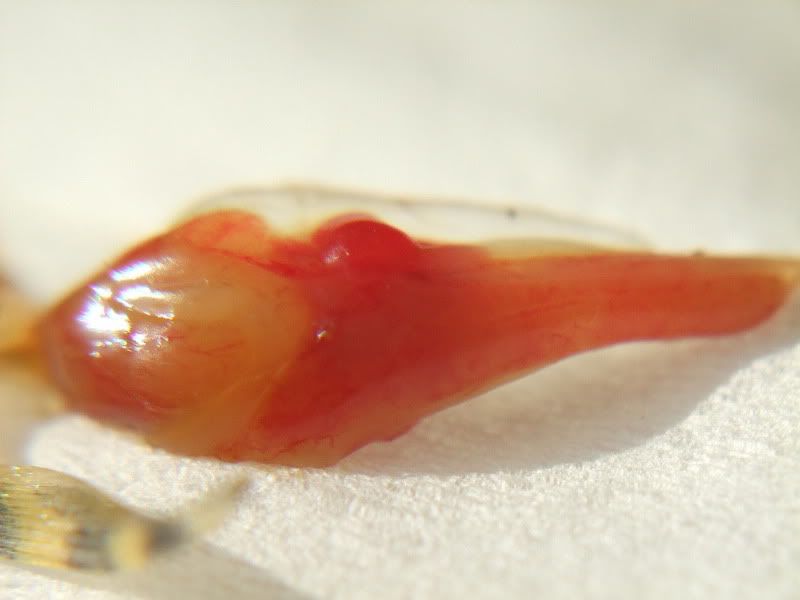
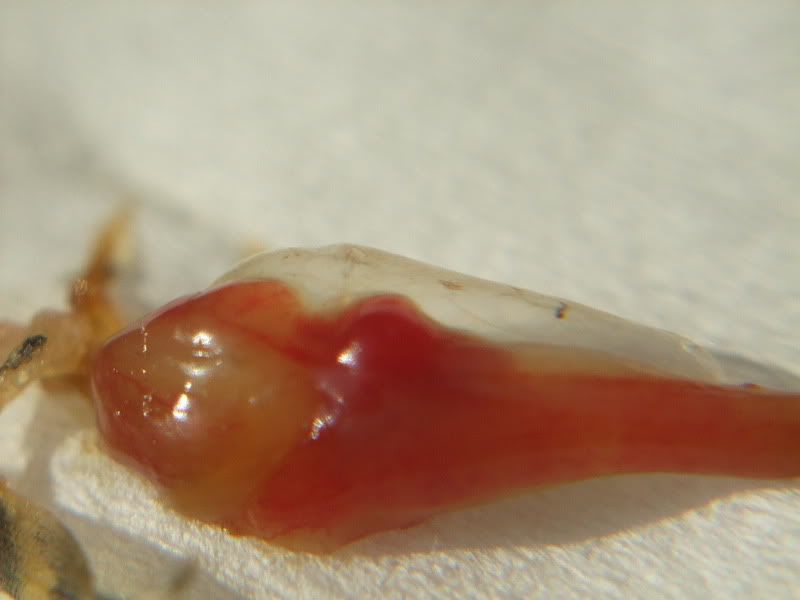
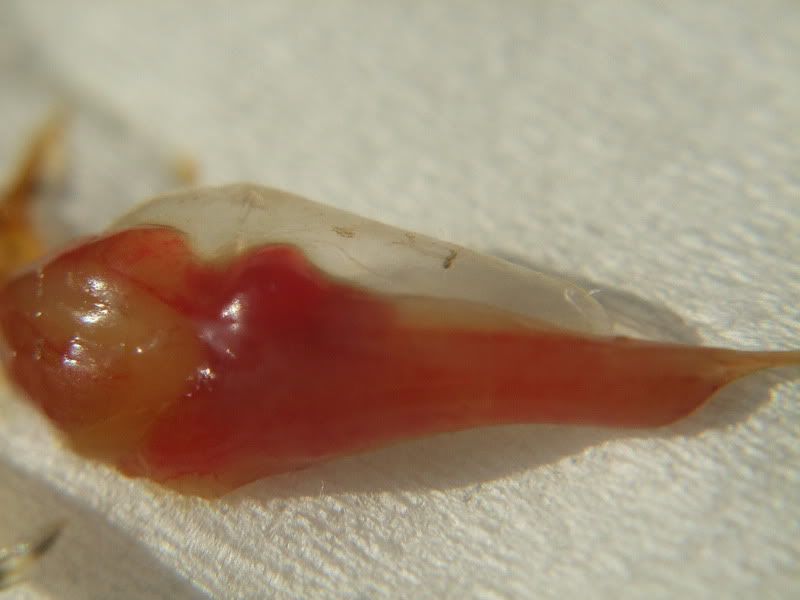
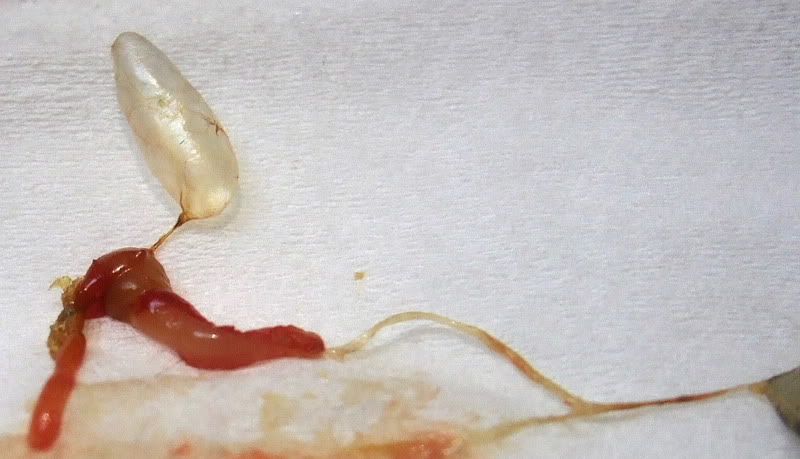
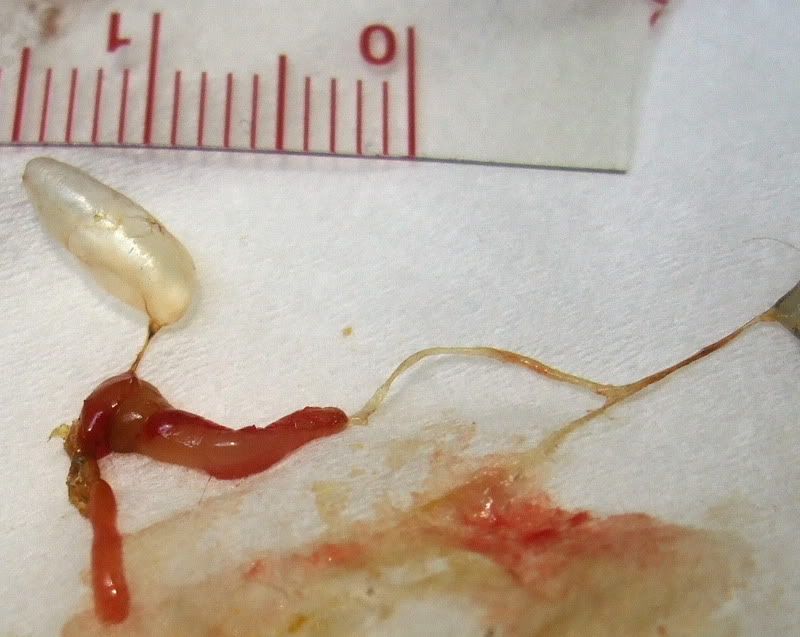
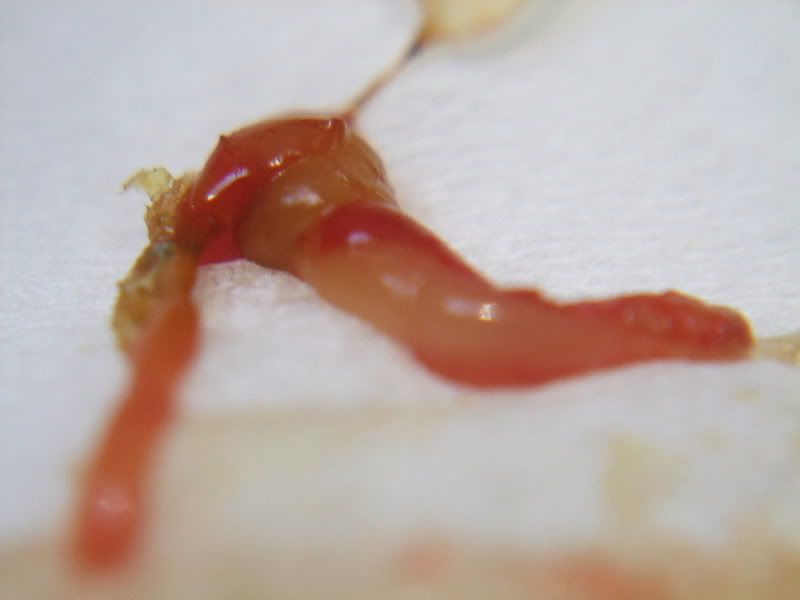
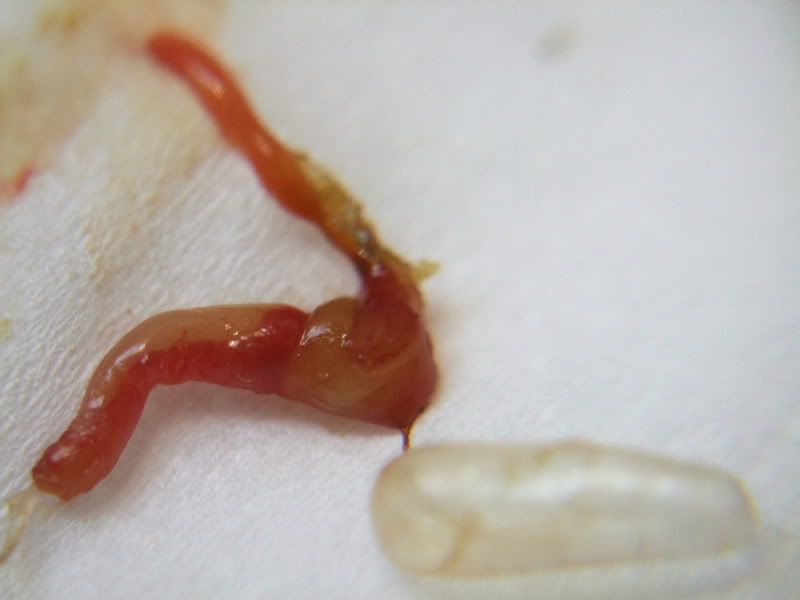
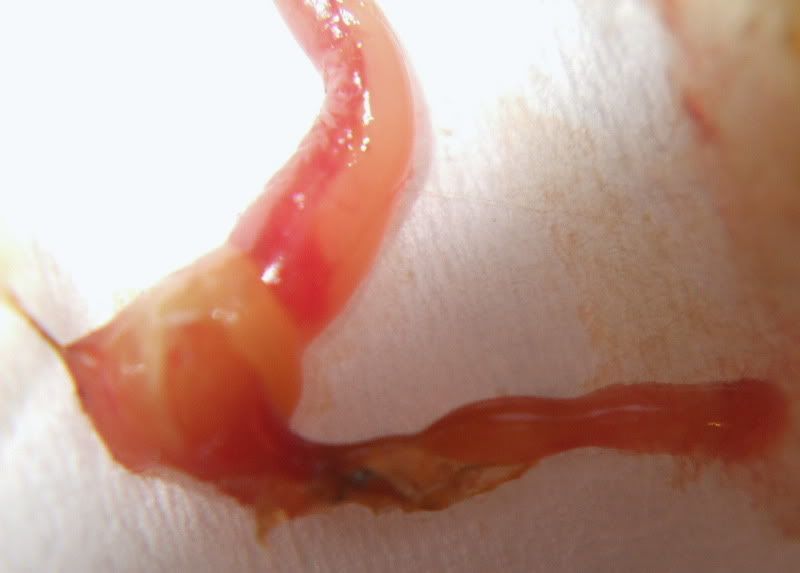
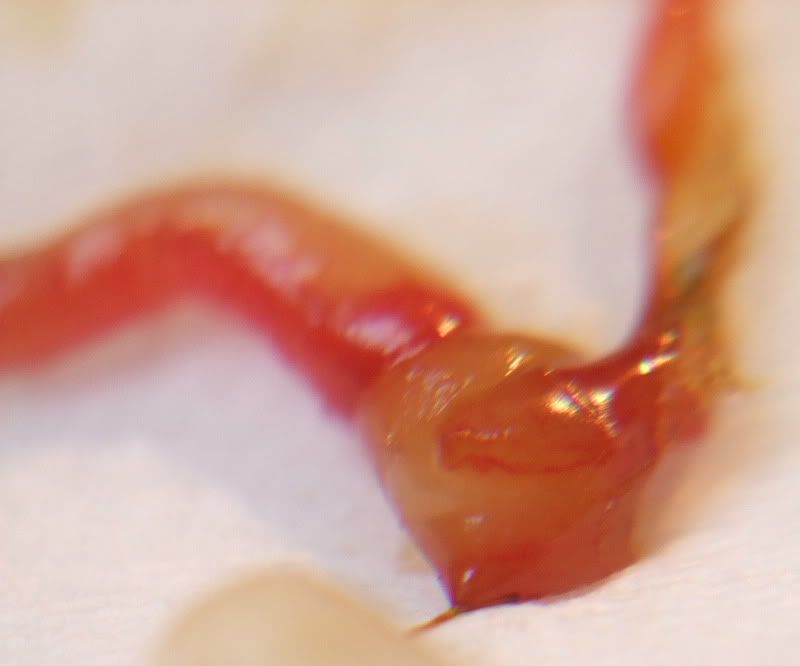
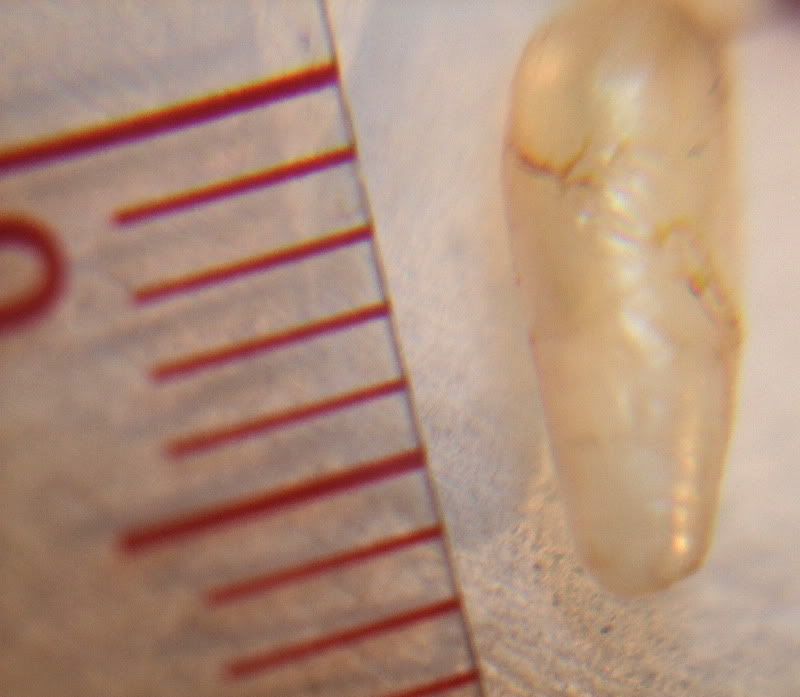
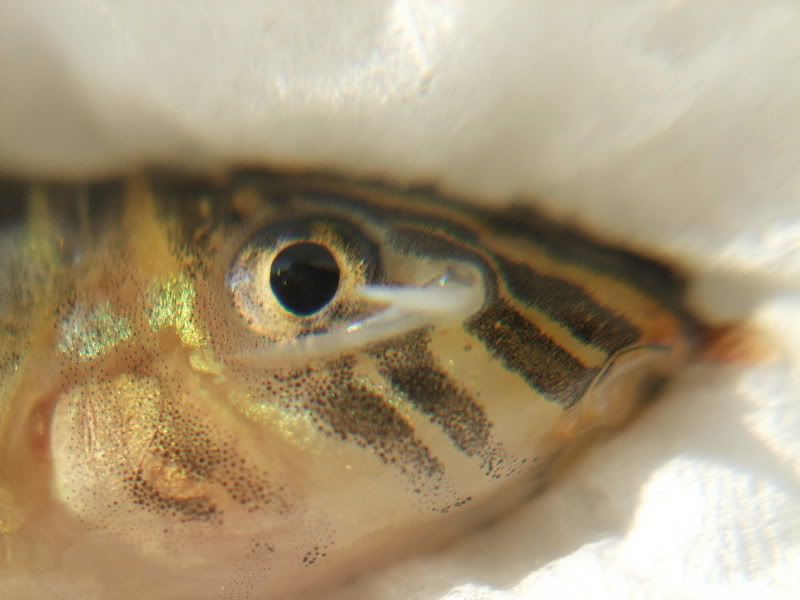
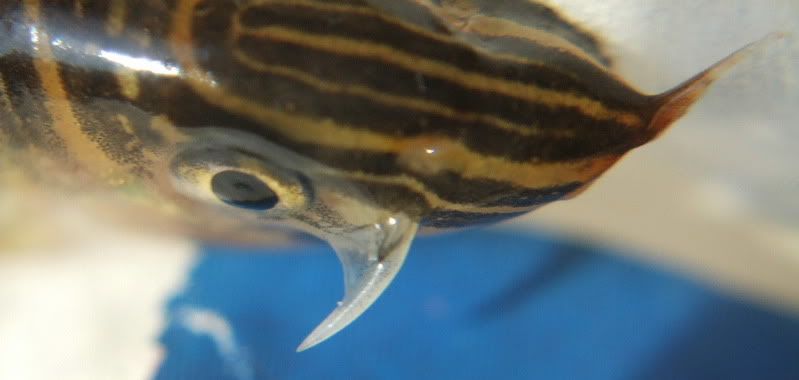
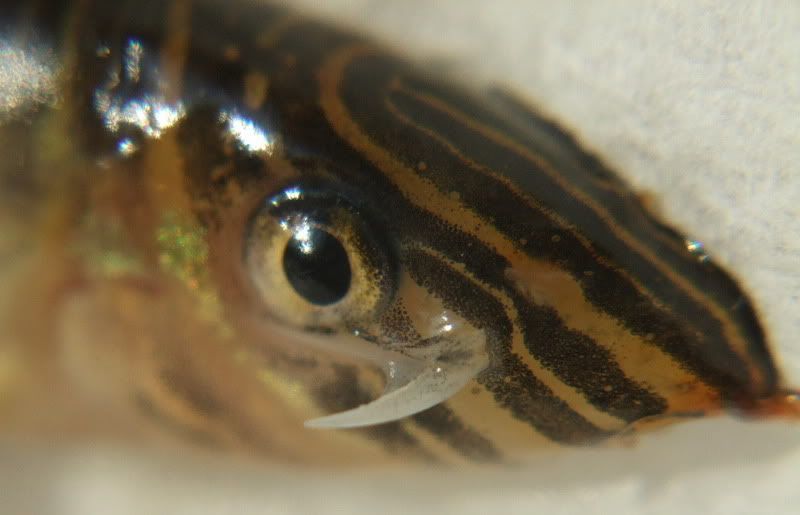
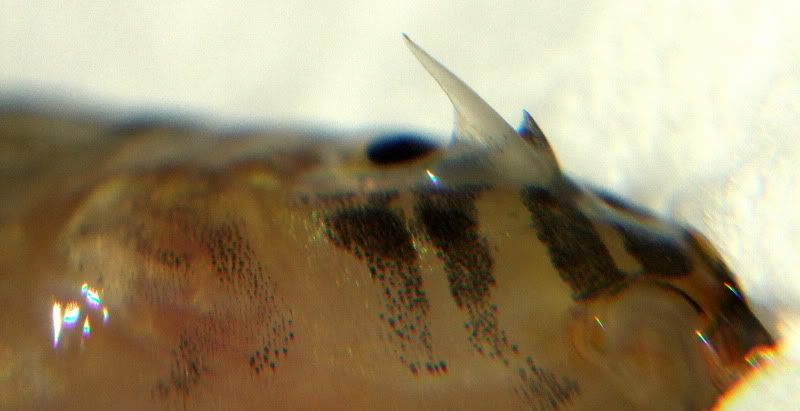
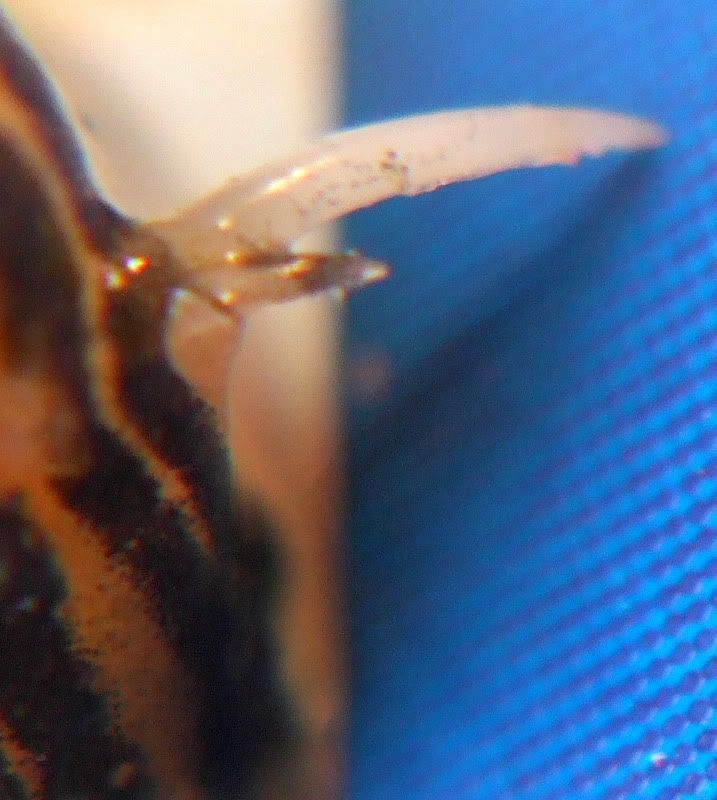
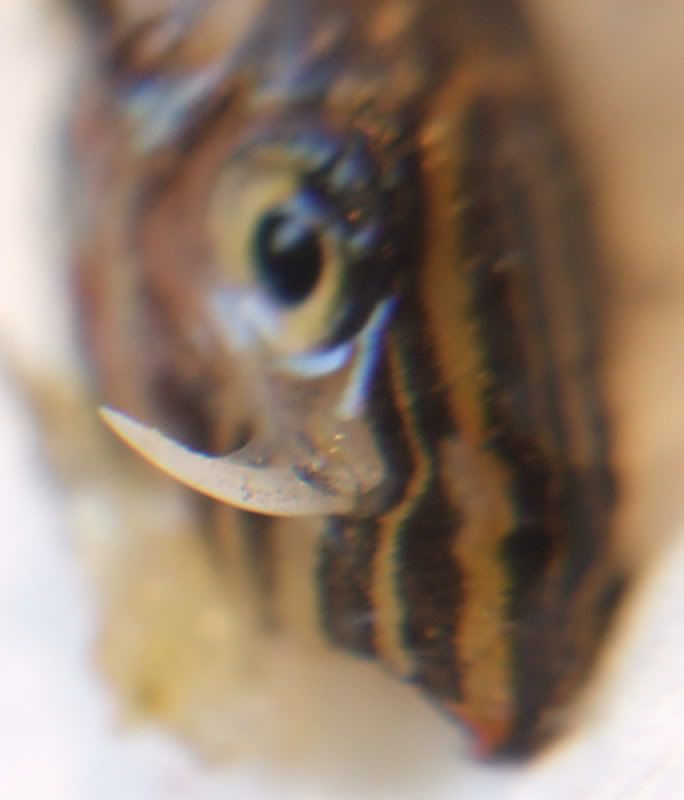
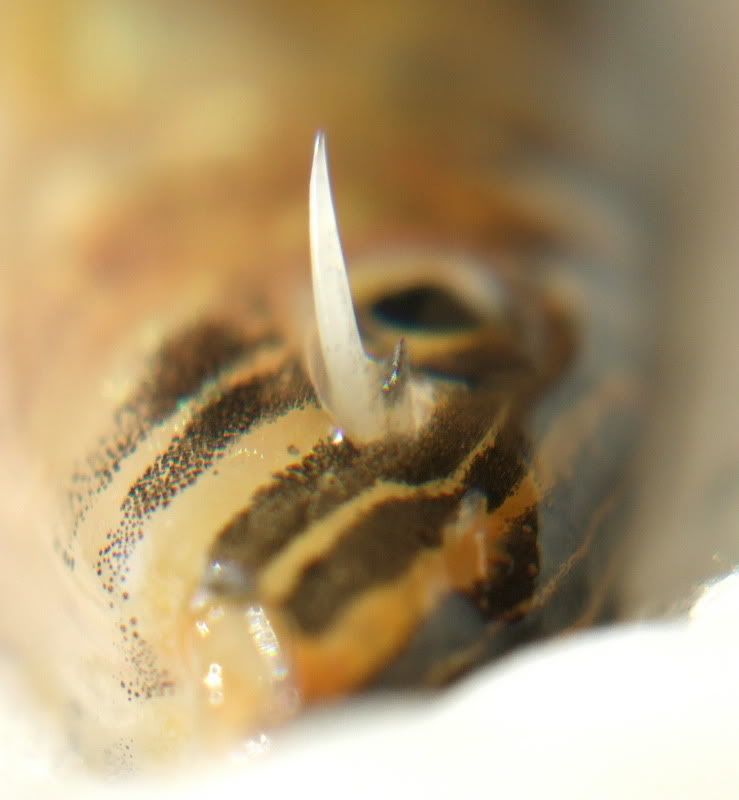
Now to the pictures, it was quit some work to prepare those, but perhaps it helps finding something, or helps when discussing anatomy. I have no idea really about fish dissecting, so please be aware of that, just wanted to see what´s happening in there. The swim blader appeared quit big, surprising I found the color of the inside, looks like an inflamation to me. The Striatas ate only bloodworms, refused anything else, but the intestines I still would not expect to find the same color as other organs. Found it interesting that there was a big diameter difference towards the empty exit…
Perhaps someone can advise. Thanks.
first the fish then the tank, I know…) but don´t want put the risk to the bigger tank. I´ve made the experience, a tank with altreday a good starter culture, cycles faster, when some efficient amount of food for bacteria gets supplied –. I´m getting good in excuses… hehe… So far I´ve lost 2 old kuhli and one new one (added 10 Kuhli), lost 4 striata (added 11), lost 4 Otocynclus (old ones are still here, loss was amongst the new ones). I´ve also lost one old Sewellia – but short before the new setup (before Striatas came in) –absolutely surprising, no warnings, as if it were killed by someone, I added a new young (at least small) one.
Oto´s are a thing for them self and the old kuhli most likely were not used to the bacteria (or whatever) the new ones brought with them from the wilderness… tap-waterfish may loose some of their immune-system due to not enough stimulation – maybe…
I ended up not putting in the medication, which I had prepared. I called the local vetenarian and a friend of mine, working in an internationial medication company – studied Biology… it was, and actually still is a difficult descission for me… I may try an appointment at University in Munich to discuss this… I may still medicate – not sure yet. The remaining Striatas are stabilizing and gaining a bit weight, some of thenm try – still a bit shy– but trying the powerhead-current. Raphael had built up a slime coat but seems better now, slime´s gone again. I´m still not through yet – still very nerviously checking every moment I can… it was a stomach decision, rationally I did not have enough data, but I did put a lot of thought into it… we´ll see…
Now to the pictures, it was quit some work to prepare those, but perhaps it helps finding something, or helps when discussing anatomy. I have no idea really about fish dissecting, so please be aware of that, just wanted to see what´s happening in there. The swim blader appeared quit big, surprising I found the color of the inside, looks like an inflamation to me. The Striatas ate only bloodworms, refused anything else, but the intestines I still would not expect to find the same color as other organs. Found it interesting that there was a big diameter difference towards the empty exit…
Perhaps someone can advise. Thanks.


 well the surface of our intestines is very very large and easily underestimated… whatever…