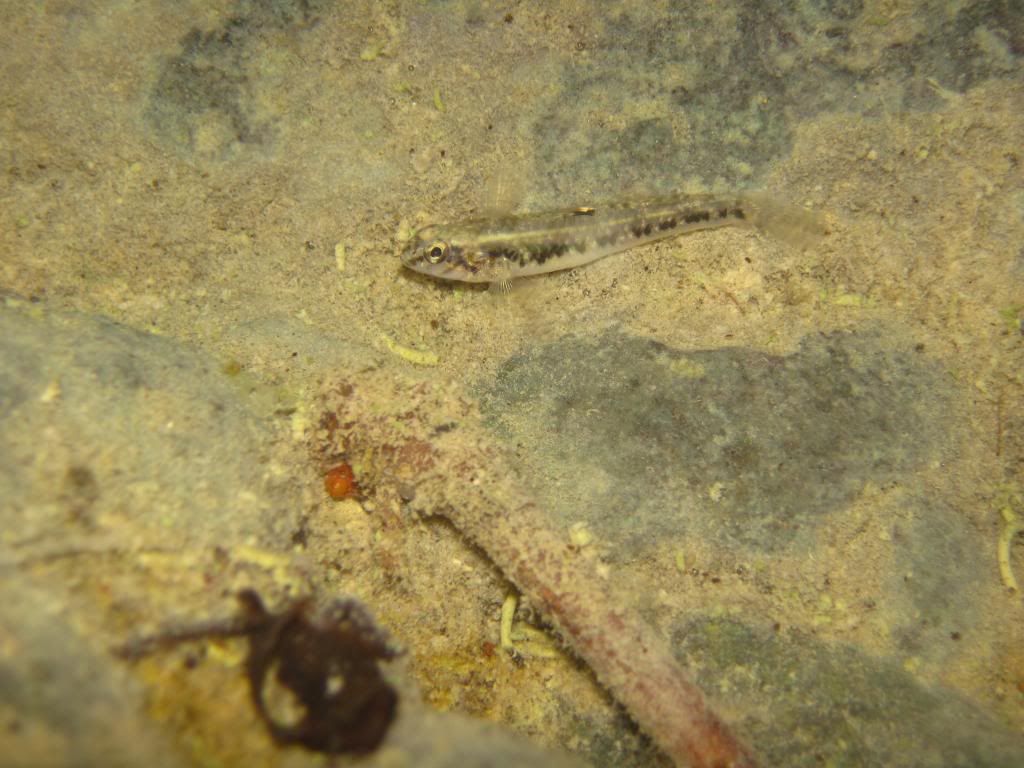
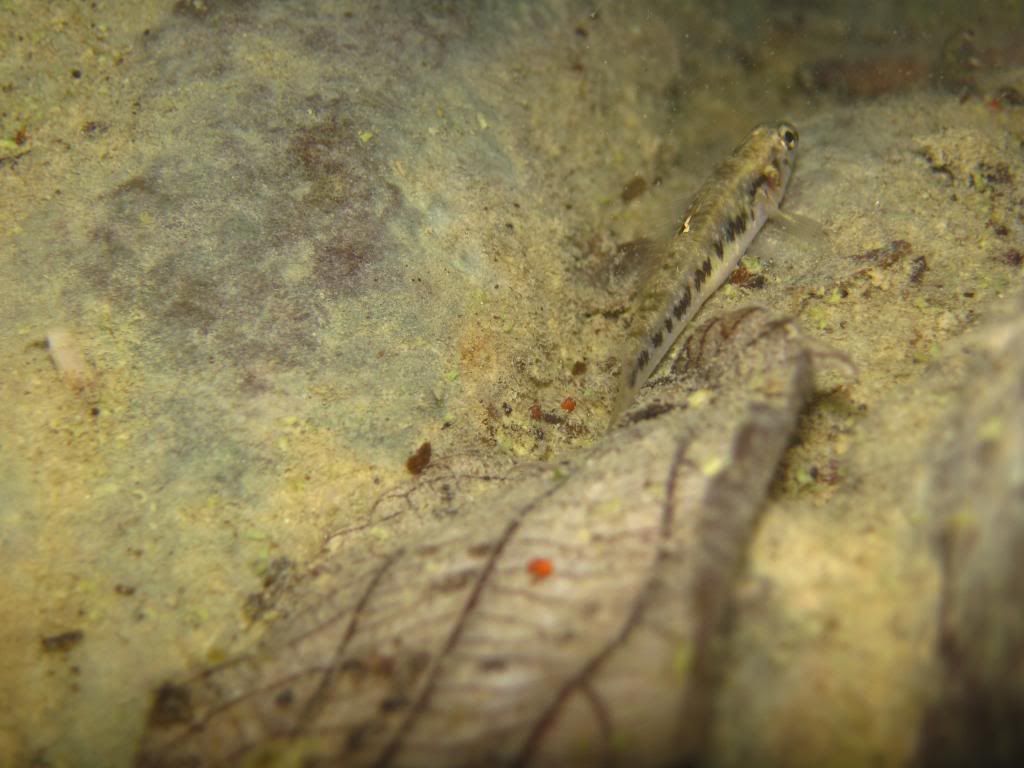
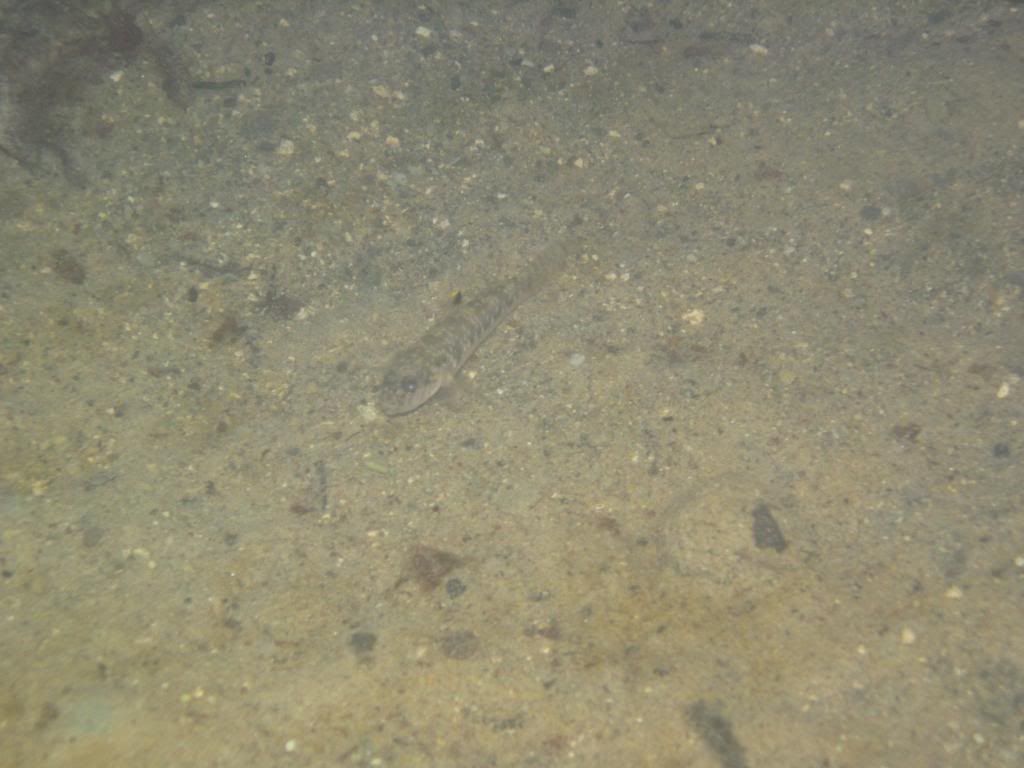
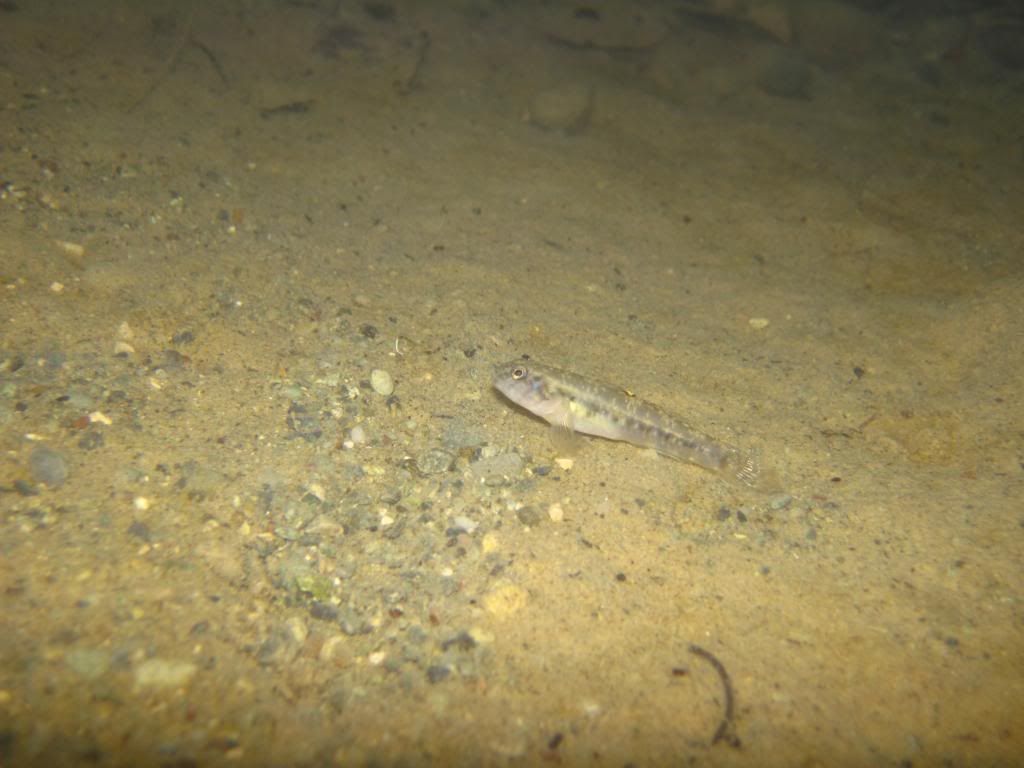
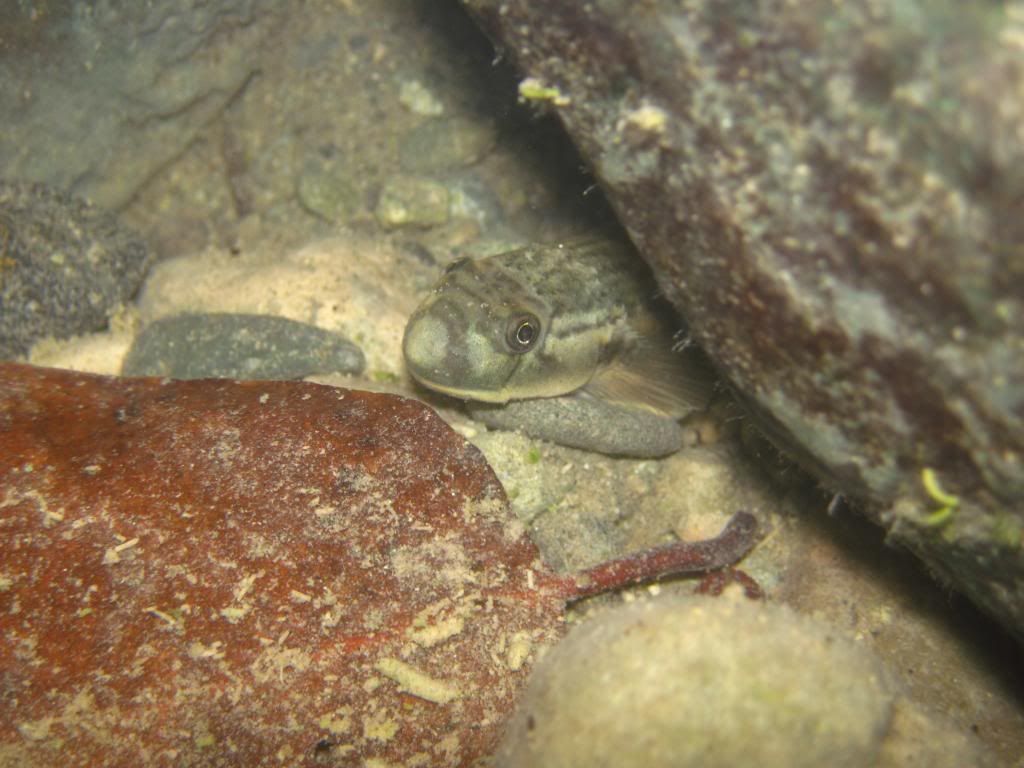
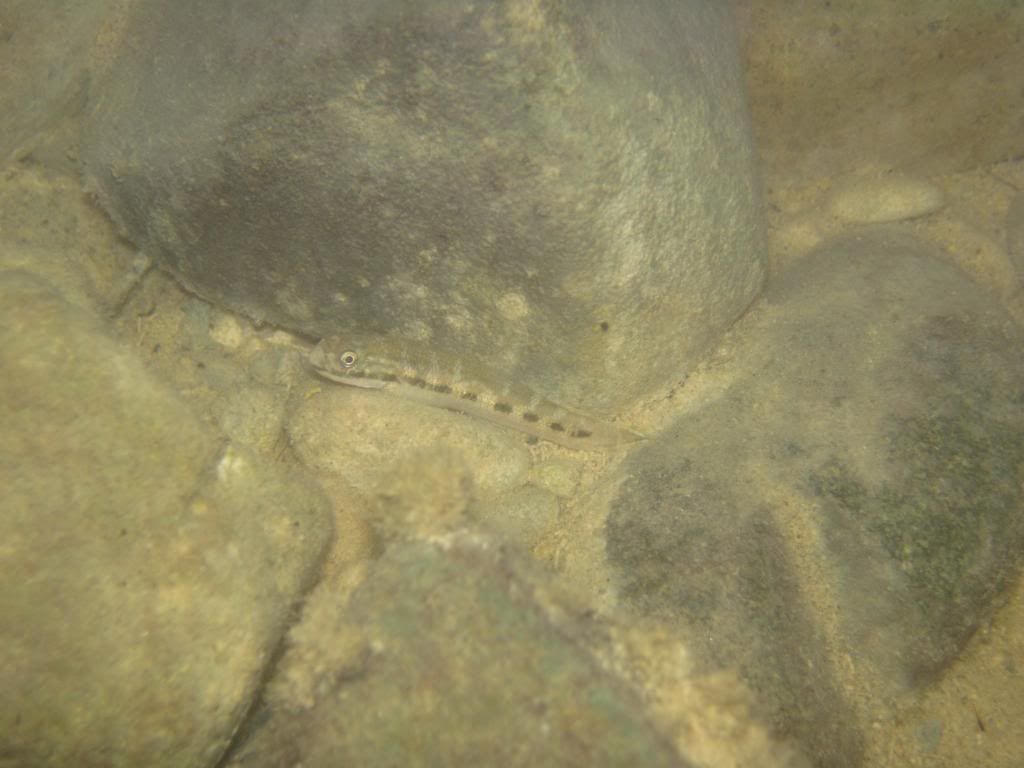
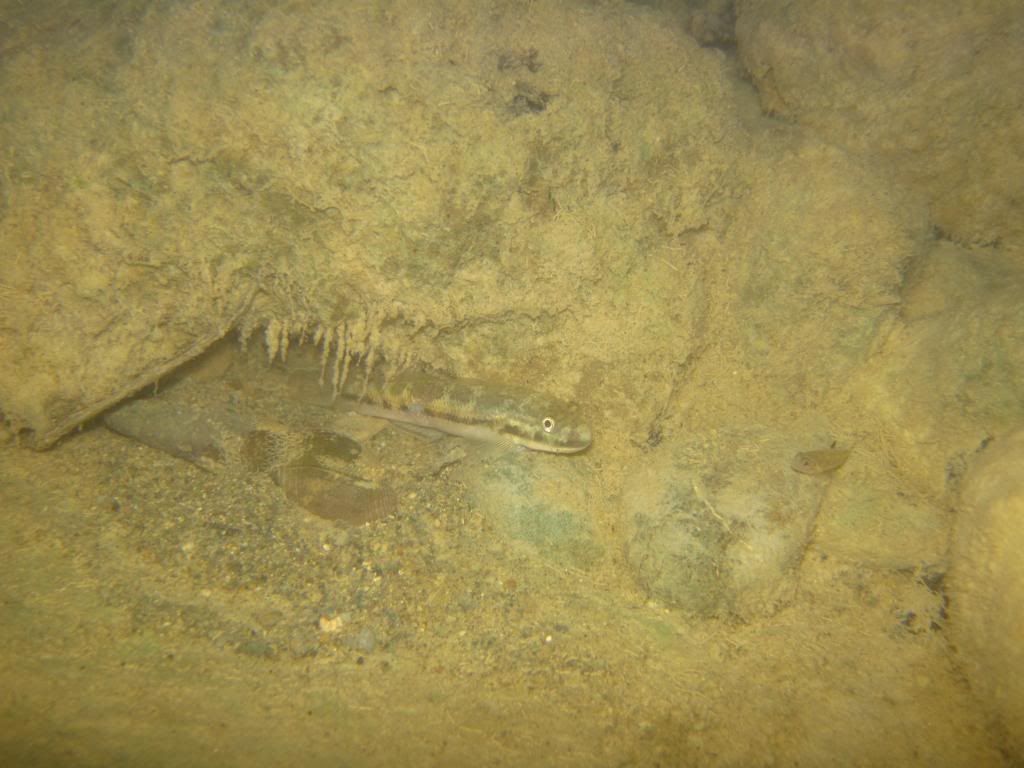
Hi Danelle Vivier!
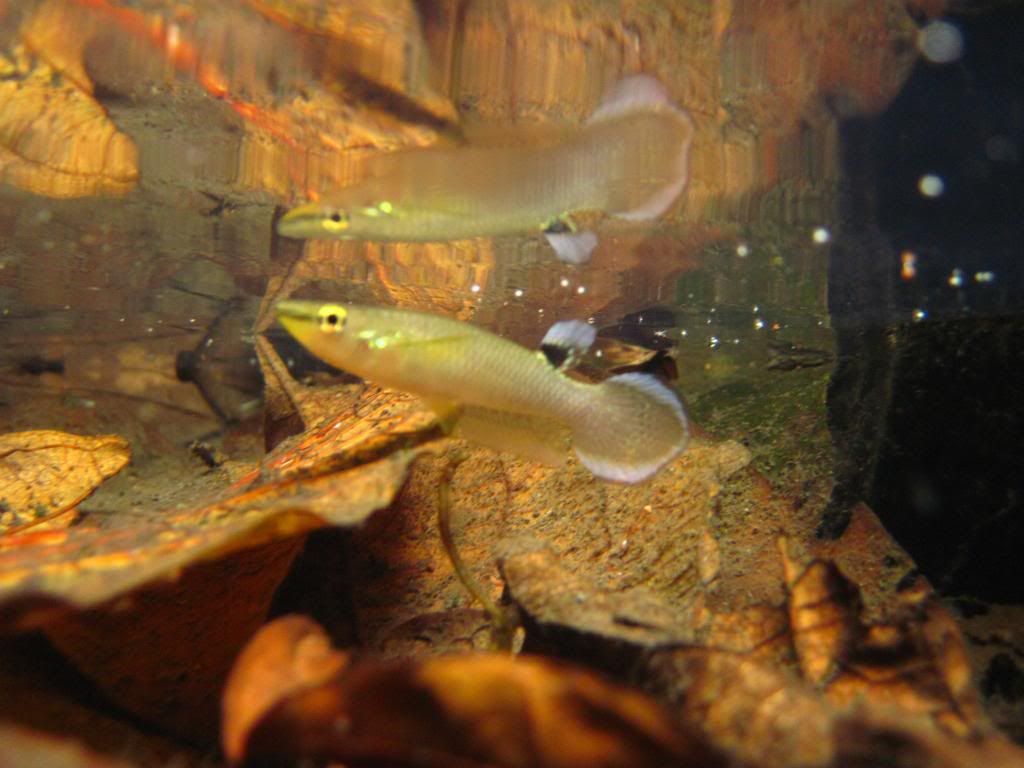
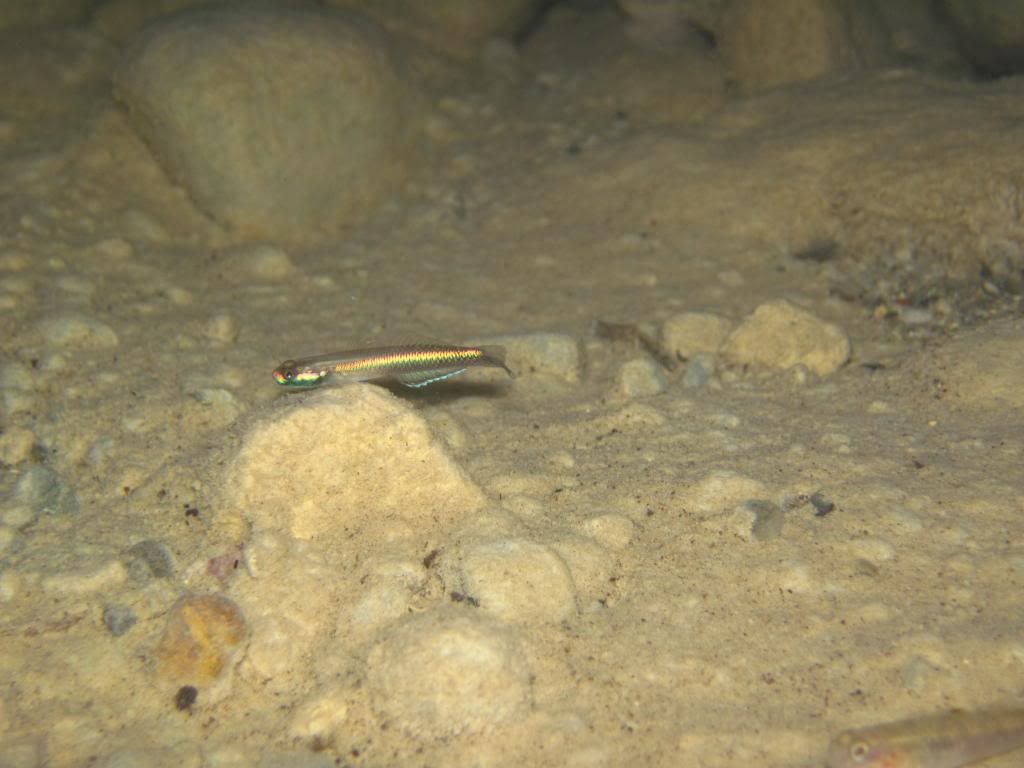
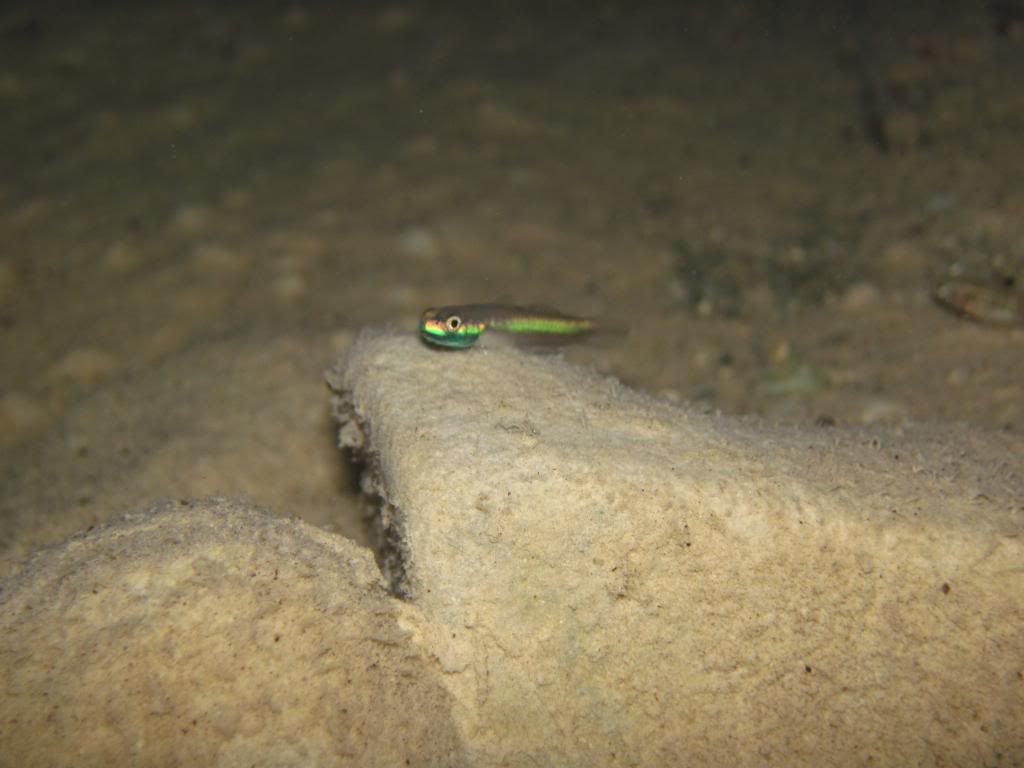
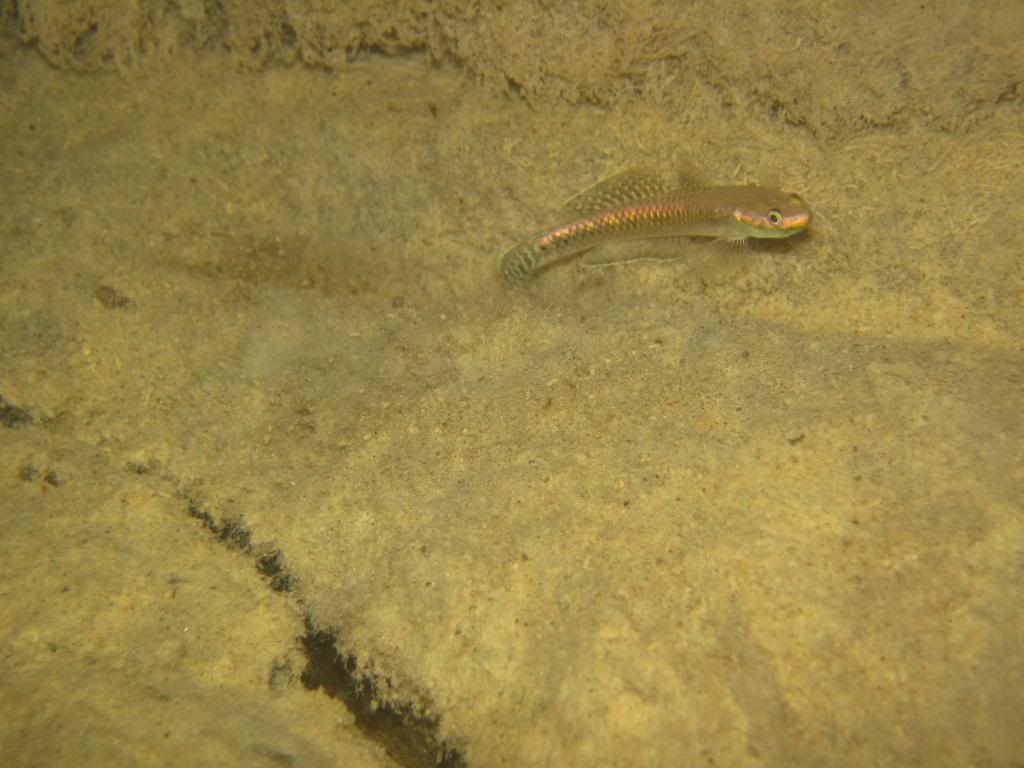
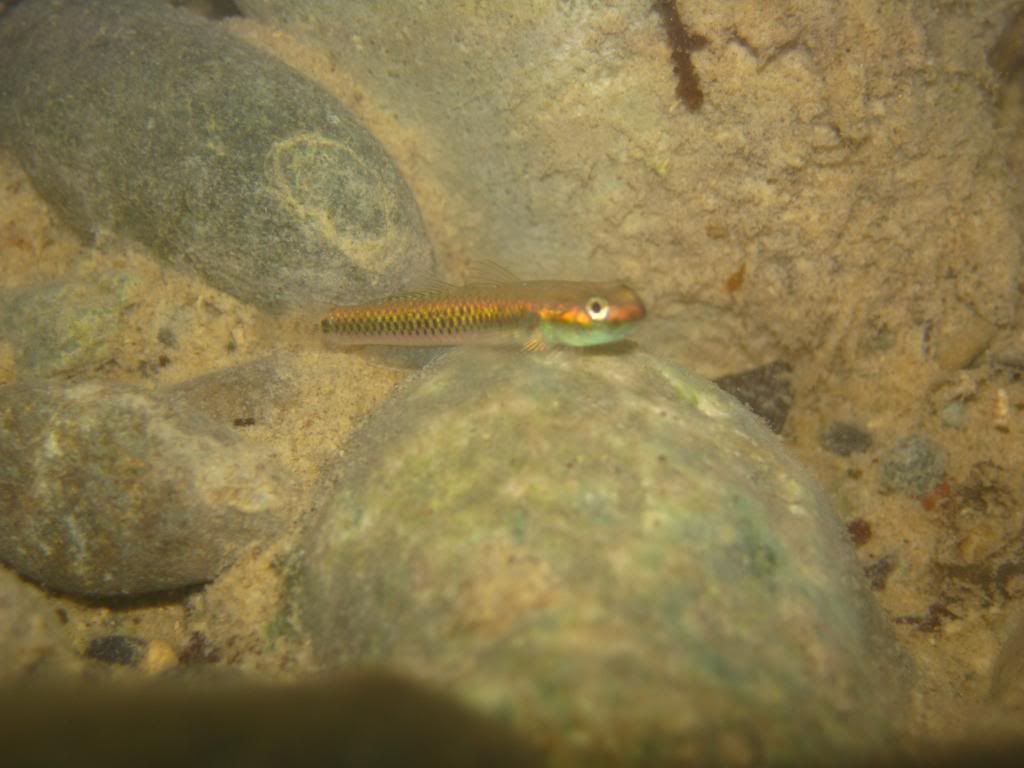
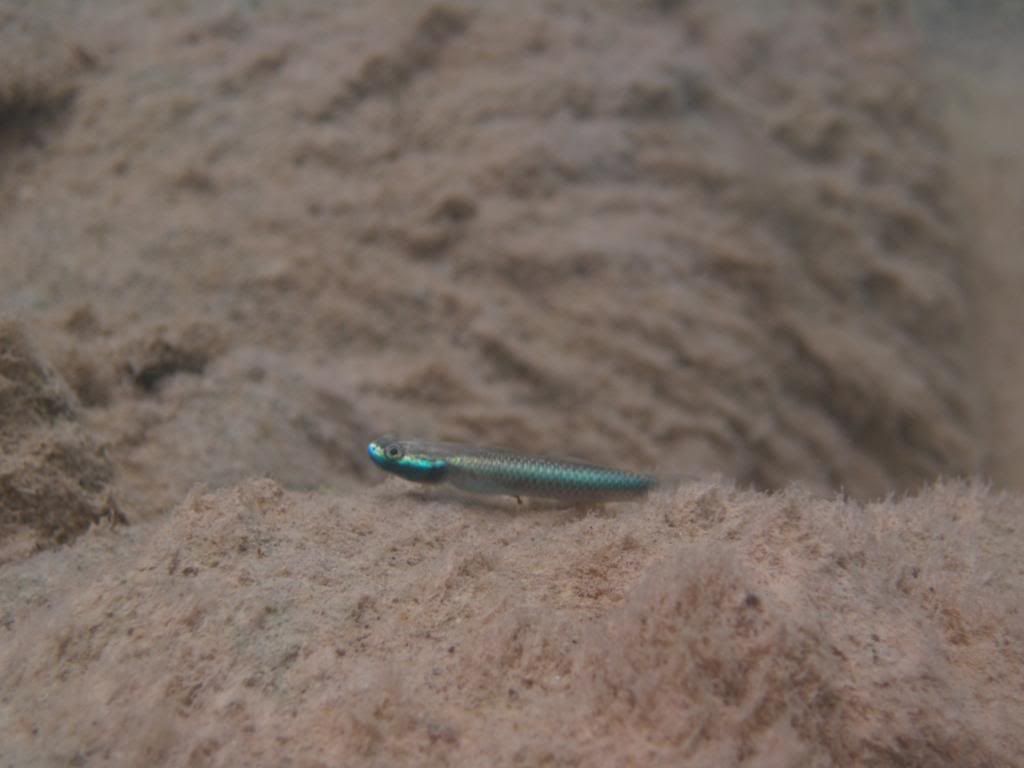
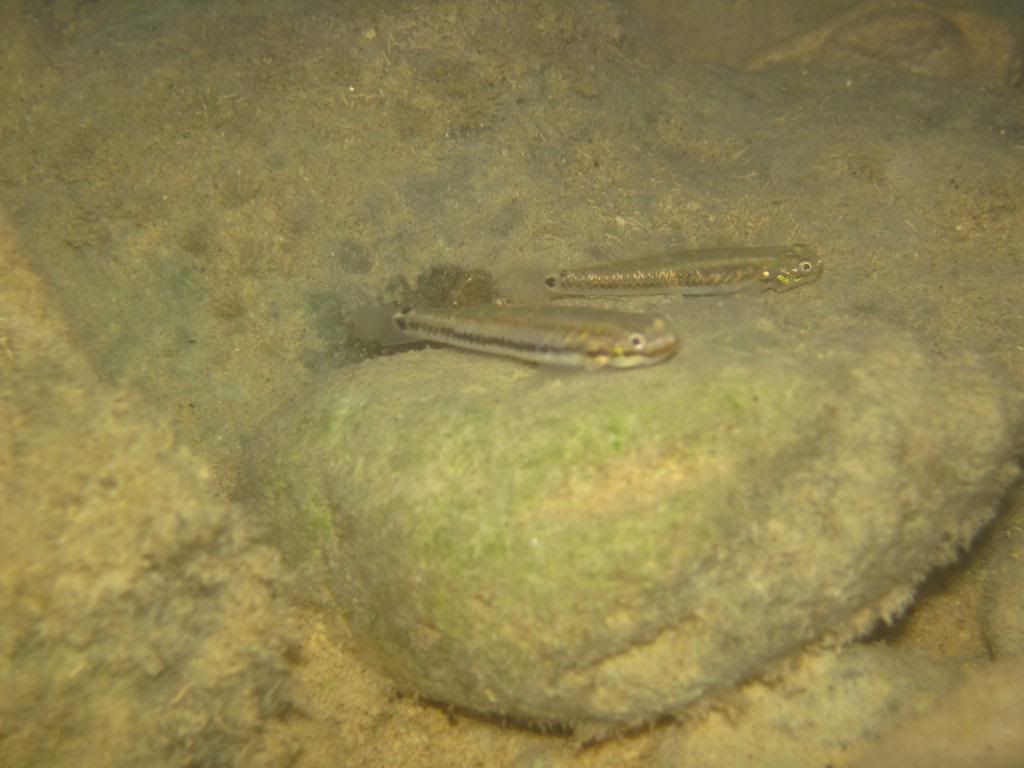
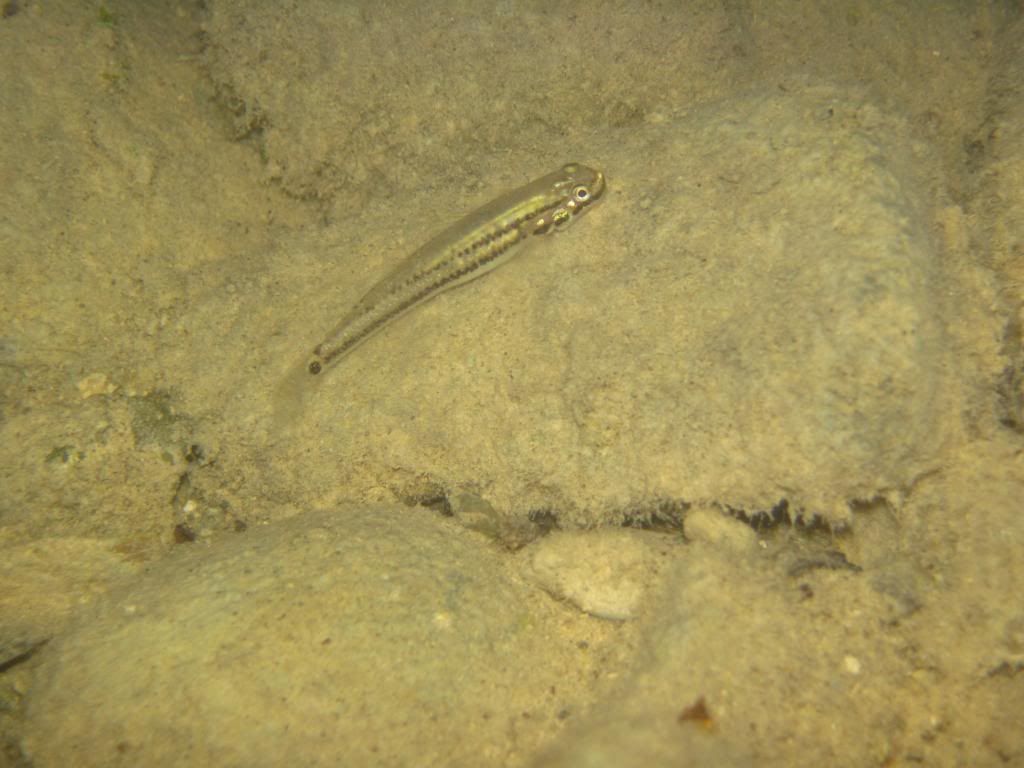
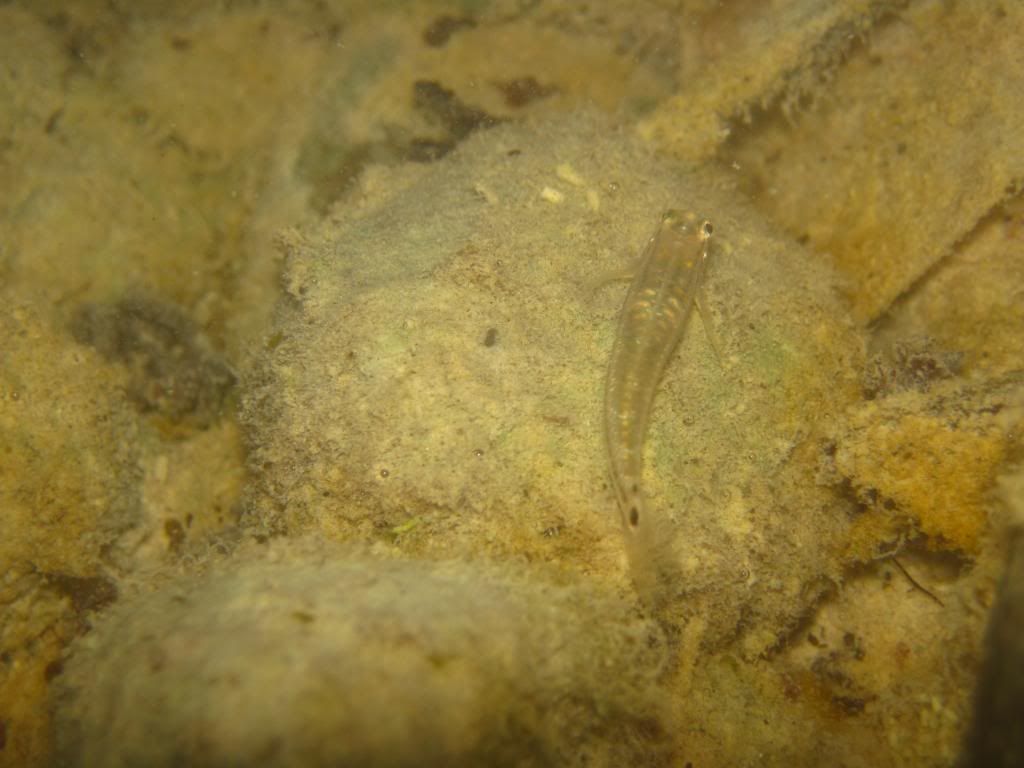
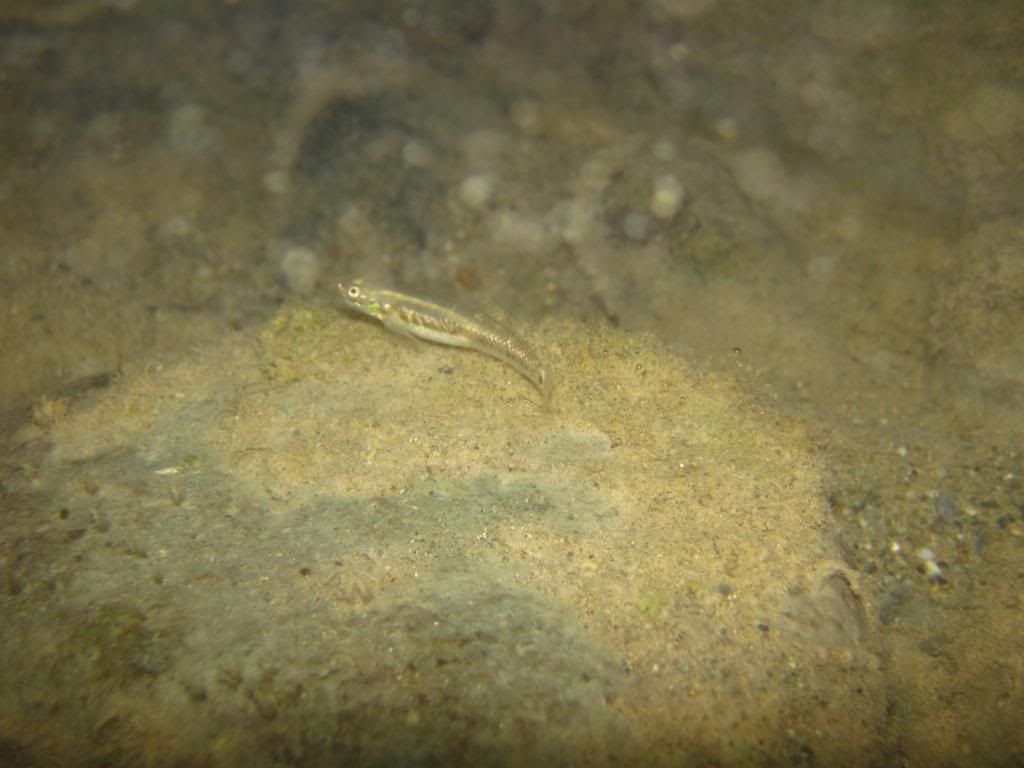
The dorsal fin of the S.atropurpureus turns into the black which was bordered red when it is the breeding season, but, as for the S.semoni, a dorsal fin seems to remain transparent even if it is in the breeding season.
The dorsal fin of your Stiphodon is black and can watch red hemming, besides.
Therefore, I think that it is S.atropurpureus.
Courtship behavior of Stiphodon semoni.
These are pasolaja's videos.
The dorsal fin remains a transparence.
http://www.youtube.com/watch?v=eB-FBVIqtfY
http://www.youtube.com/watch?v=dl7LFD9z95c
Courtship behavior of S.atropurpureus.
http://www.youtube.com/watch?v=izvcieO82xk
Another video of S.atropurpureus.
http://www.youtube.com/watch?v=-R_ssrPvO_U
http://vimeo.com/17740908
Video clips of S.atropurpureus in my tank.
They always graze alge.
http://www.youtube.com/watch?v=FsGzfR22PK4
http://www.youtube.com/watch?v=i3EqvvbFQsU
http://youtu.be/L-PK0qVrN24
Hi Swift-Tuttle!
An examination for DNA is necessary to get the truth ...
I get advice from the expert of the goby, and they seem to be more likely to be S.semoni.
Sicyoputerus of your phots looks like S.lagocephalus from the pattern of the head.
http://forums.loaches.com/viewtopic.php ... 75#p198422
I am sorry, but I do not have knowledge about a fish except Stiphodon and Sicyoputerus at all.
I expect the commentary from a person knowing a lot about a freshwater fish of Sulawesi.
Stiphodon can change its color of the body intensely.
Therefore it is difficult to distinguish a species only in a color of the body.
Furthermore, it seems that a color of the body changes by an angle and the strength of the light as for S.semoni and S.atropurpureus.
This is because their color development mechanism is caused by a structure color not the light absorption by the pigment.
The structure color is famous as blue of the morpho butterfly.
The color of the body of S.semoni and S.atropurpureus change under conditions of light in particular sensitively.
http://en.wikipedia.org/wiki/Structural_color
https://www.google.co.jp/search?q=Struc ... 20&bih=929
One of the hints to distinguish S.semoni from S.atropurpureus is said to be the difference of the position where the scale of the back disappears.
It seems to be the identification point that is convincing whether the scale of the back continues to the head side than a pectoral.
The one where a scale leads to to the head side than a pectoral is S.atropurpureus.
"Blue moon"(=? S.semoni) and S.atropurpureus


Courtship behavior of S.atropurpureus in my tank.
They were sold as S.atropurpureus from Taiwan.


 Stiphodon alcedo male in red nuptial coloration